Category: Ethernet Cables

This category pertains to content related to ethernet cables

  • Can Ethernet Cables Go Bad?

    Can Ethernet Cables Go Bad?

    Ethernet Cables Go Bad title page

    Ethernet cables are a critical part of your home network. They enable fast and reliable connections between your devices. They can also play a large role in your home’s connection to the internet. If you’re not careful when selecting cables for your home network, they can limit the internet speed for all the devices.

    Despite how important ethernet cables are, they’re often overlooked and poorly treated.

    What many people don’t realize is that ethernet cables can go bad if they aren’t taken care of.

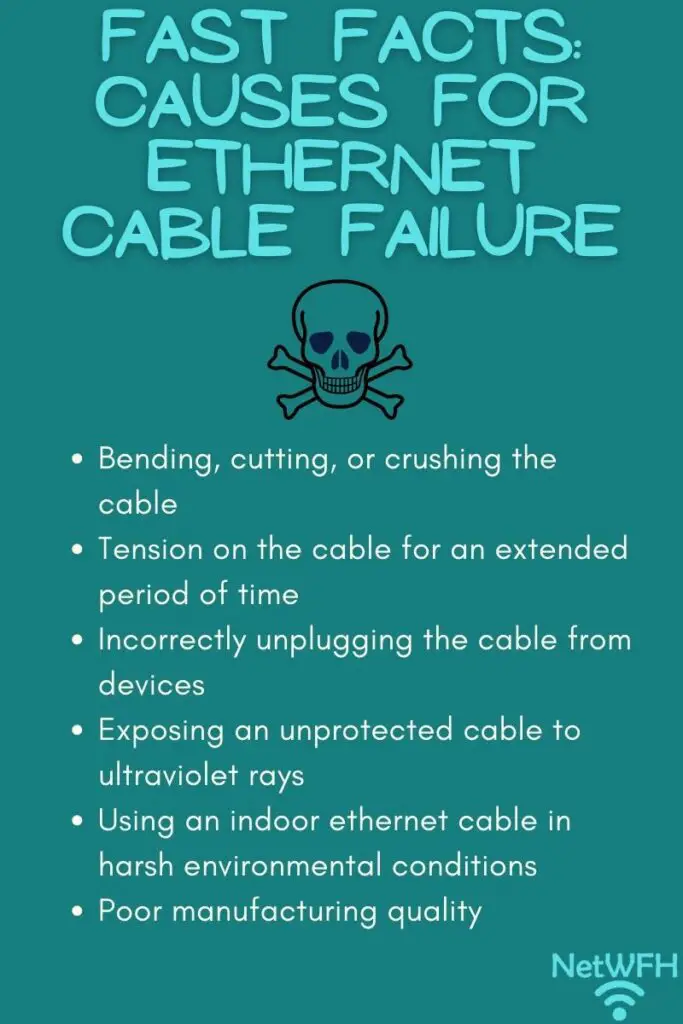
    In fact, there are many different ways an ethernet cable can fail. Some common causes for ethernet cable failure include:

    • A bent, cut, or damaged cable
    • Improper connecting/disconnecting of the cable
    • Poor manufacturing
    • Exposure to ultraviolet (UV) rays and harsh conditions
    • Long periods of tension on the cable

    In this post, I’ll detail all the common causes of ethernet cable failure and what you can do to prevent your cables from going bad.

    Symptoms of a bad ethernet cable

    Before we dive into how you can prevent ethernet cables from going bad, let’s start at square one.

    How can you tell if an ethernet cable is going bad in the first place?

    When an ethernet cable starts to fail, you’ll most likely know about it. That’s because a bad ethernet cable will have a serious impact on your home network.

    If you think one of your ethernet cables is going bad, there are a few steps you can take to find out for sure.

    Unstable internet connection

    One common result of a faulty ethernet cable is an unpredictable internet connection.

    As an example, let’s say your ethernet cable is used to connect your internet device to your router.

    When looking at your computer or device, it might look like it’s repeatedly connecting and disconnecting from the internet without you doing anything.

    You might also find that if the cable is positioned a certain way it’ll have a good connection, but if you move the cable, you’ll lose the connection.

    This is troubling because ethernet cable connections are known for their reliability. Especially when an ethernet connection is compared to a wireless (WiFi) connection. This is why an unstable connection is a telltale sign that something might be going on with the cable itself.

    No internet connection

    The other possible result of a bad ethernet cable is a little more drastic. A failed ethernet cable can result in you losing your internet connection entirely.

    Similar to the previous scenario, let’s say your computer is connected to your router with an ethernet cable. You turn on your device, but it says you don’t have an internet connection.

    You double check to make sure the cable is securely plugged into your router and your computer, but still no luck.

    On top of that, when you look at the lights on your modem and router, everything looks fine.

    In this case, your ethernet cable might be the cause of your problems.

    There are other reasons why you may have lost your internet connection, but it’s possible that a bad ethernet cable is the cause.

    If you think one of your ethernet cables has gone bad, there are some steps you can take to find out if your cable is the reason you don’t have a good connection.

    What causes an ethernet cable to go bad?

    Now that we know what happens when an ethernet cable fails, let’s dig into why they fail in the first place.

    There are many possible reasons why an ethernet cable may stop working. In most cases, either the cables are treated poorly, or the wrong type of cable is used in a given situation.

    Let’s break down each of these possible causes.
    Causes of ethernet cable failure

    The cable is bent, cut, or crushed

    This is one of the more common reasons why ethernet cables fail. It’s also one of the most easily avoided.

    That’s because it all starts with how well you take care of your cables.

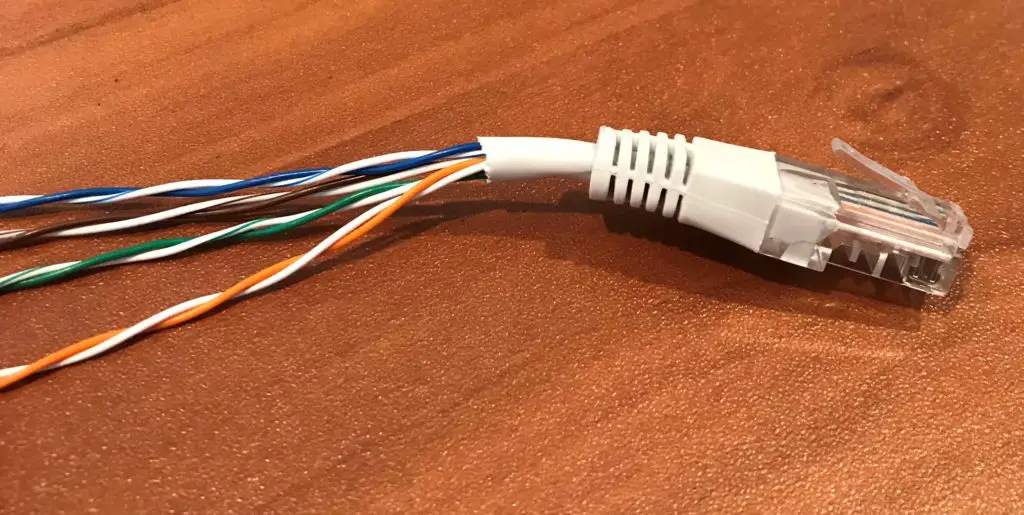
    Ethernet cables have twisted pairs of copper wire inside them. There are usually 4 pairs of copper wires, meaning there are 8 copper wires in each cable.

    Here are the 8 copper wires inside an ethernet cable after they’ve been untwisted:
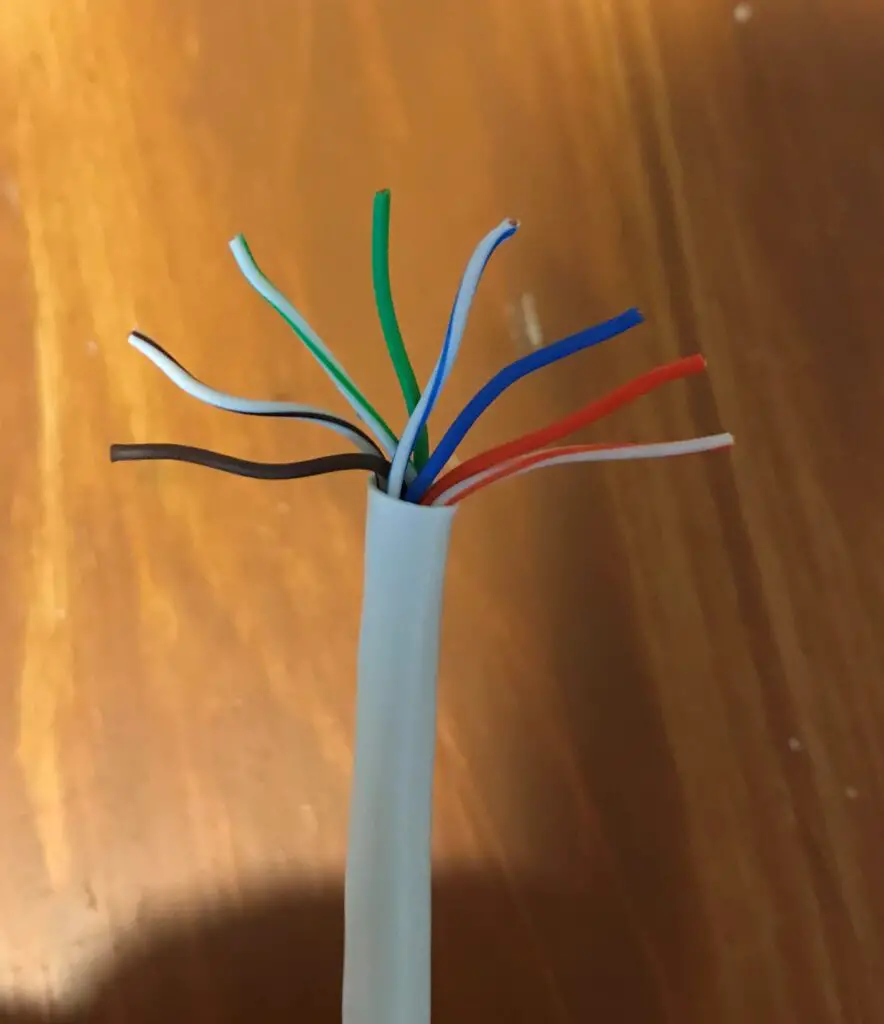
    Ethernet cable copper wires
    Copper wires inside a cat5e ethernet cable

    Ethernet cables use the copper wire to transport information from one location to another. If a system at one end of the cable wants to send information to the system on the other end of the cable, it creates a data message for the other system.

    This message is translated into electrical pulses, which are sent through the copper wires. When the electrical pulses reach the other end of the cable, the system on that end of the cable translates the electric signals back into the original message from the other system.

    That’s the basics of how ethernet cables work.

    Now that you know how ethernet cables function, you need to understand what happens if one of these copper wires is damaged.

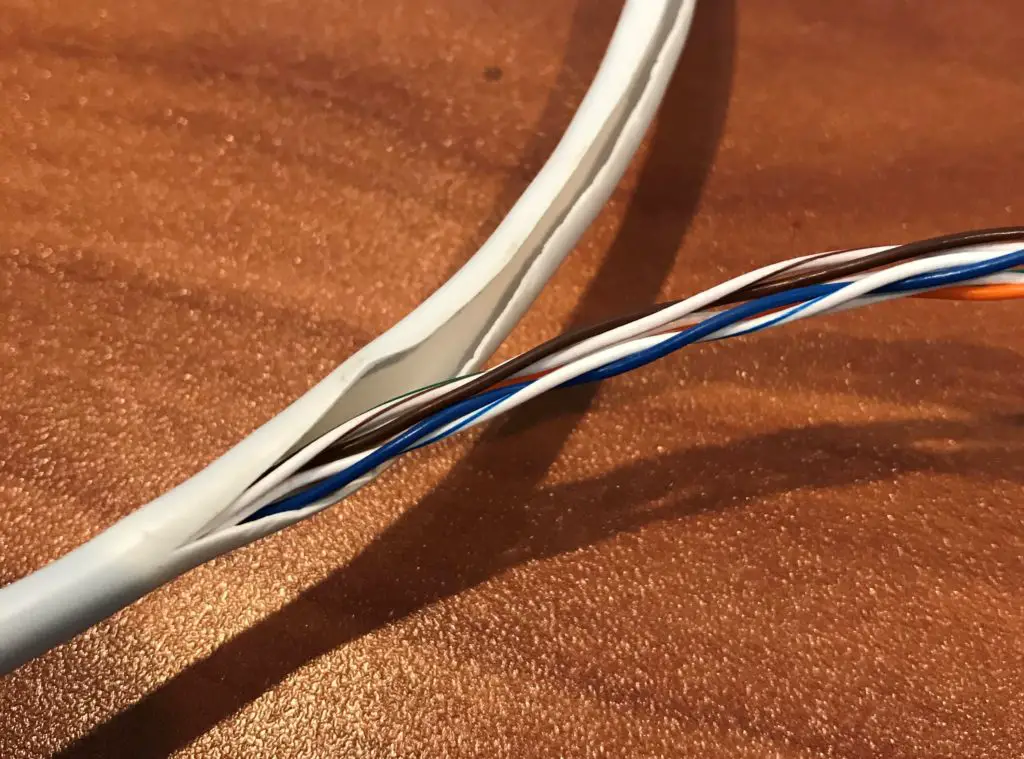
    If something happens to the copper wires inside the cable, the electrical pulses won’t be able to make it from one end of the cable to the other. If the electric signals have trouble traveling through the ethernet cable, it’ll distort the data that’s being sent. When this happens, the connection between the two systems will be lost and the cable won’t work as it should.

    When an ethernet cable is bent, cut, or crushed, it increases the chances that the copper wires inside the cable are damaged.

    The cable is incorrectly unplugged

    Another common cause of ethernet cable failure has to do with how carefully they’re unplugged. This is another case where poor treatment of your cables is usually the root cause.

    The difference is that in this situation, we’re more focused on the connectors at the end of the cable.

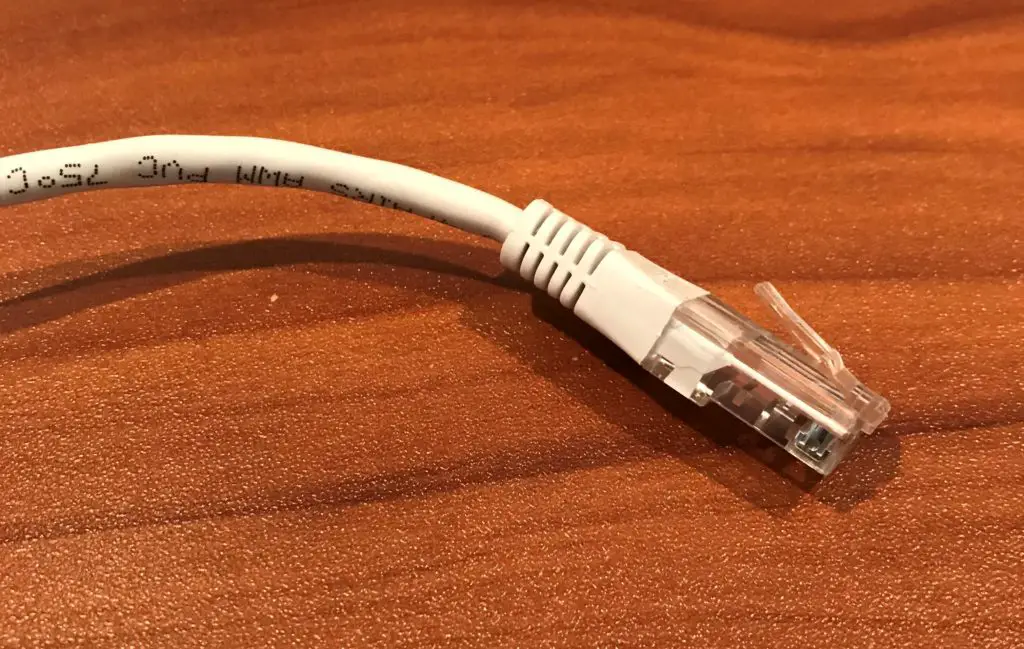
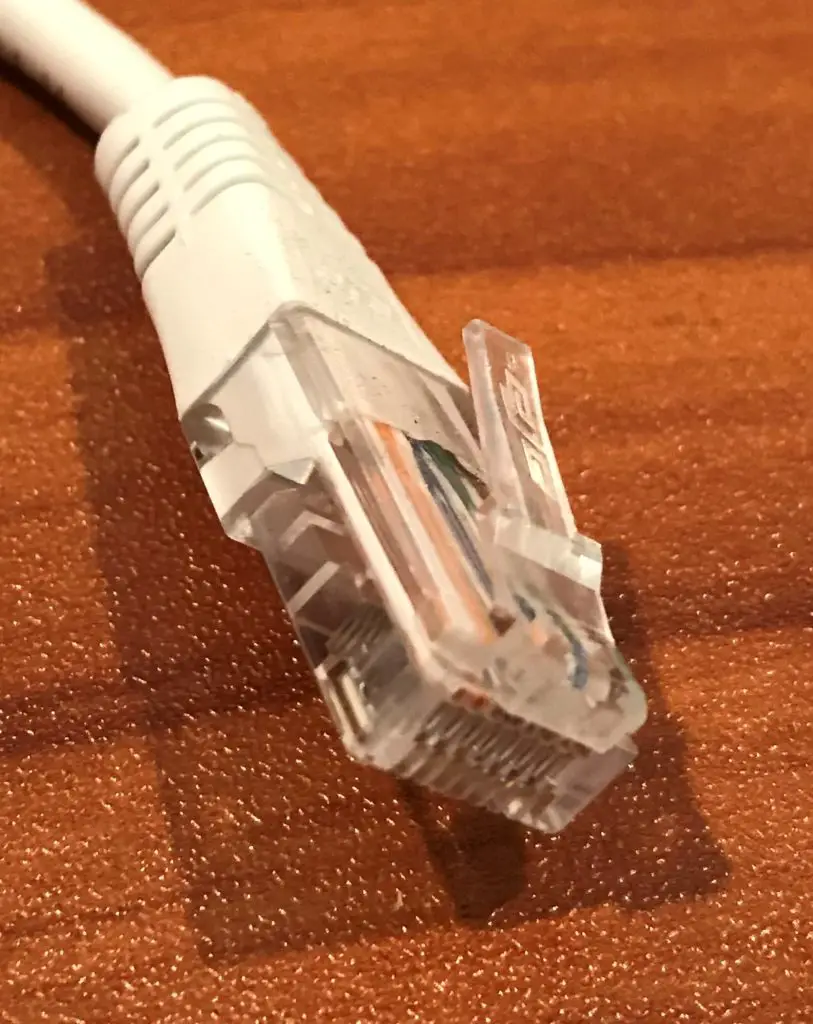
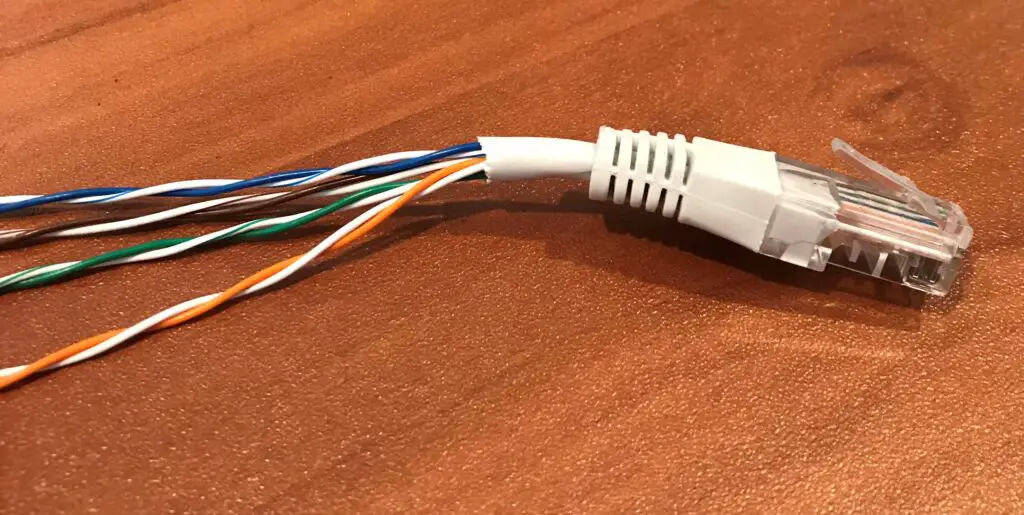
    Ethernet cables have connectors on the end of them that allow you to plug them into computers and other devices. They’re called RJ45 connectors.

    I’m sure you’ll recognize this:
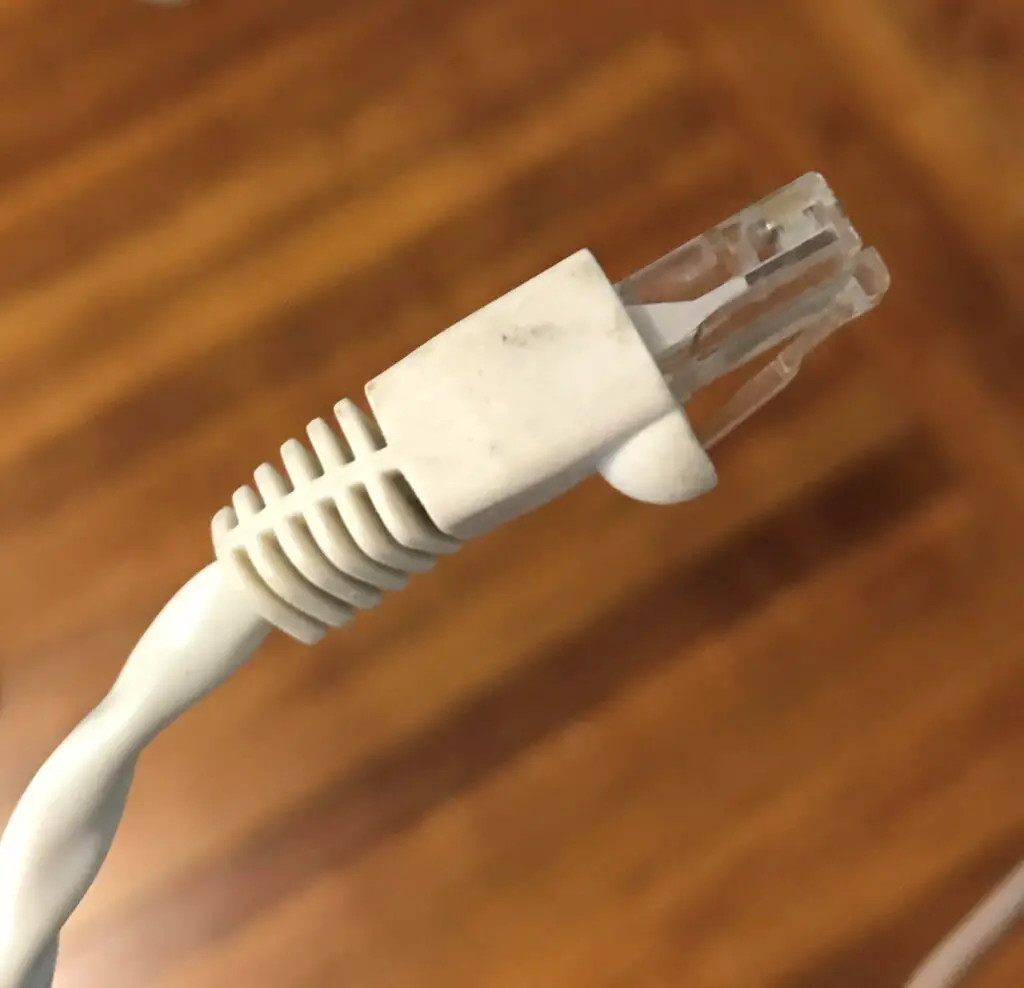
    RJ45 connector with boot
    RJ45 connector on an ethernet cable

    RJ45 connectors are important because they connect the 8 copper wires inside the cable to the computer or system they’re plugged in to. There are designated channels within the RJ45 connector that each of the 8 wires is designed to fit in.

    If you look closely, you can see there are gold-plated pins of the RJ45 connector.
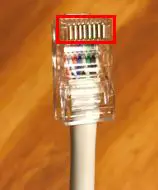
    RJ45 connector pins

    As you can imagine, there is one pin for each copper wire in the ethernet cable. As expected, there are 8 pins on the RJ45 connector.

    The challenge with this is if one of the 8 copper wires loses its contact with its RJ45 pin, the cable will stop working properly.

    This usually happens when an ethernet cable is repeatedly yanked or tugged. Over time, it creates tension on the copper wires in the cable and pulls them away from their RJ45 pins.

    For example, yanking an ethernet cable out of your router instead of pressing the tab on the RJ45 connector and carefully removing the cable will result in unnecessary stress on the copper wires inside the cable.

    Tension on the cable

    It’s not good for your ethernet cable if it’s supporting a device that’s gently pulling on it.

    What I’m talking about here is if a device (like your modem) is hanging off the floor and your ethernet cable is what’s holding it up. Even though your modem probably isn’t heavy, gravity will cause it to gently pull on your ethernet cable.

    Here’s an example of what I’m talking about:
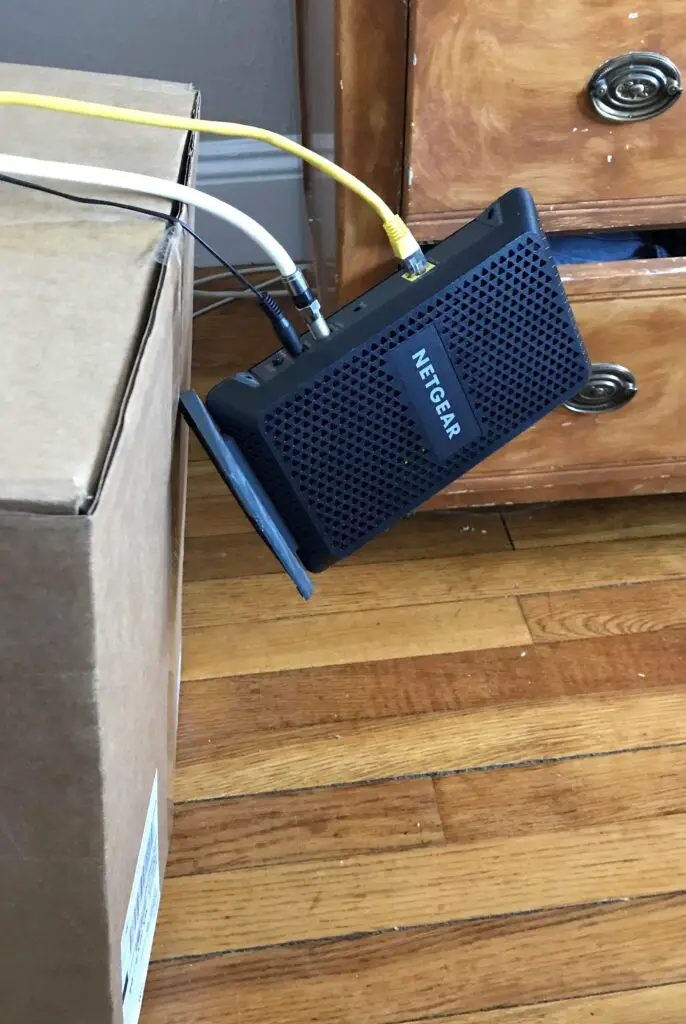
    Tension on ethernet cable
    Over time, the suspended modem will create tension on the yellow ethernet cable

    Over a long period of time, the hanging modem can stress the copper wires inside the yellow ethernet cable.

    Poor manufacturing or quality

    This next cause of ethernet cable failure has nothing to do with how you treat them. It actually has everything to do with where you buy them from.

    Ethernet cables are used in most homes and businesses. As a result, it seems like everyone is trying to sell them.

    The trouble here is that not every manufacturer makes a quality product. There are many knockoff brands and cheaply made cables out there. You need to be careful where you get them from.

    When you buy a knockoff ethernet cable, it may not have been made to the same standards that the quality cables are made to. This increases the likelihood that the ethernet cable will fail before it should. In fact, it may even be defective at the time you buy it.

    It’s also possible that a good manufacturer will make a faulty cable from time to time. They make so many ethernet cables that they’re bound to have a few bad ones make it out of their manufacturing plants.

    This may not seem like a common cause for ethernet cable failure, but I think you’d be surprised. It happens more often than you think.

    Ultraviolet light damage and extreme conditions

    The last common cause for ethernet cable failure has to do with using the wrong type of cable.

    If an ethernet cable is exposed to ultraviolet (UV) light from the sun, it’ll damage the cable. UV light will slowly degrade the plastic sheath on the cable. If the cable is exposed to enough sunlight, it’ll eventually stop working.

    UV damage is usually the cause of ethernet cable failure when a regular indoor cable is used outdoors.

    Not only is UV light bad for your cables, but harsh conditions are as well. Some examples of harsh conditions include:

    • Extreme temperatures
    • High humidity environments
    • Heavy rainfall or groundwater
    • Moist environments

    All these environments will degrade the performance of an ethernet cable over time.

    Thankfully, certain types of ethernet cables are designed to work well in poor conditions. You just need to pick the right type of cable depending upon where it’ll be used.

    You’ll find out more about this later.

    How to prevent ethernet cables from going bad

    When it comes to making sure your ethernet cables last a long time, the rules are pretty simple.

    First and foremost, you need to make sure you treat your cables the right way. The best thing you can do is put your cables in a position where they don’t need to move and they won’t be tripped on.

    Let’s take a look at all the measures you can take.

    Make sure the cable isn’t bent at sharp angles

    This one is pretty straightforward.

    Sharp angles can cause the copper wires inside the cable to bend. This can disrupt the connection between the devices at either end of the cable.

    The bottom line is: don’t bend or fold your ethernet cables. Make sure any bends in the cable are gradual.

    Gently coil any excess cabling

    This method goes hand-in-hand with the previous one. If you have excess ethernet cable, don’t just throw it on the floor in an unorganized mess.

    Make sure that any excess cabling is gently coiled. Use cable ties to secure the bundles of excess ethernet cable. Not only will this help protect your cables, but it’ll make your home appear much more organized as well.

    Another option here may be to just buy shorter ethernet cables that better fit your home.

    Keep heavy items off the cables

    This is pretty self-explanatory as well.

    Make sure that your ethernet cables aren’t crushed by heavy items like furniture. If your cables are laid under furniture like a couch, make sure the legs of the couch aren’t sitting on top of the cable.

    Properly use the RJ45 clips on the cable

    When unplugging your ethernet cables from devices, be gentle. Press the lever on the RJ45 clip before removing the cable.

    Being rough while unplugging your cables can cause the RJ45 clip to break or the copper wires to pull away from the RJ45 connector. In both cases, it’ll make it more likely that your cable won’t connect to your device’s ethernet ports properly.

    Make sure your cable doesn’t have tension on it

    Make sure your ethernet cables are connected to devices that’re sitting on top of flat surfaces.

    Don’t use your ethernet cables to support hanging devices. This’ll ensure there’s no extra tension on the cable.

    Try to buy your cables from quality vendors

    This one might easier said than done.

    If you can, buy your ethernet cables from companies with good reputations.

    This can be especially hard with sites like Amazon.com where there are so many vendors to choose from. Even after looking at the reviews for a cable, it can be hard to tell which cables are the best quality.

    You may find that the best method is to try a new vendor each time you need to get an ethernet cable. Once you find a quality cable that lasts you a long time, continue to buy from that vendor.

    You may even find that multiple companies make ethernet cables that you like.

    Make sure you use the right type of cable

    This last method of preserving your ethernet cables is most applicable to outdoor environments. The bottom line is, if you’re going to be using a cable outside, make sure you get a cable that’s designed to do so.

    I previously mentioned how UV rays and harsh environments can cause cables to fail. If you need a cable for these situations, don’t get an indoor ethernet cable.

    Regular indoor ethernet cables usually aren’t exposed to harsh conditions. As a result, they aren’t made to withstand much abuse.

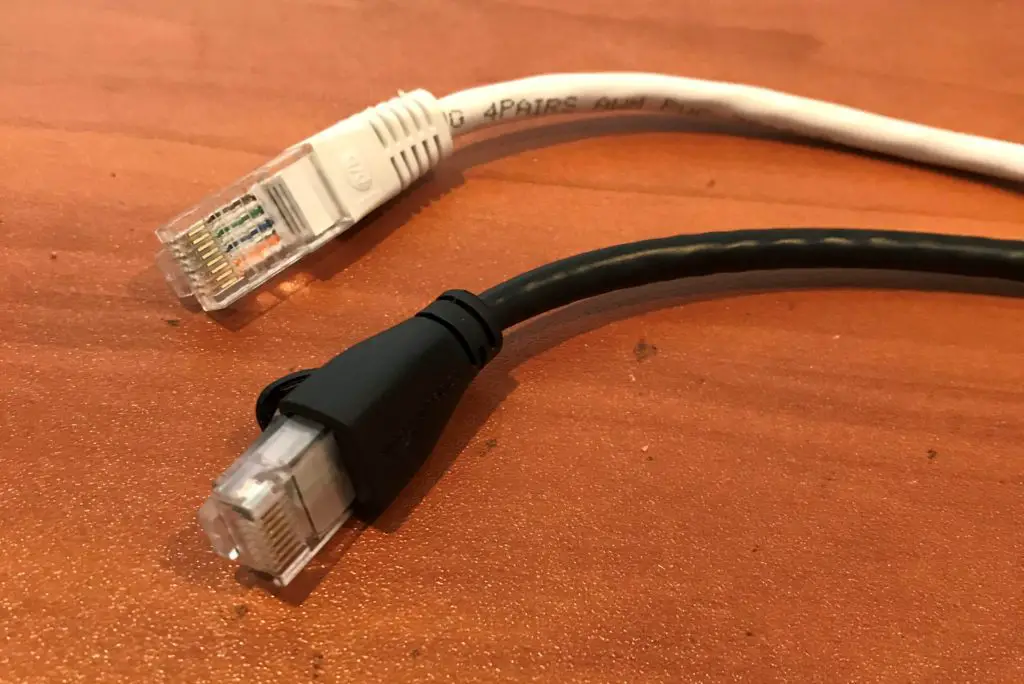
    Waterproof and UV protected cables are made to be much more durable than your typical indoor ethernet cable. That’s because outdoor ethernet cables are waterproof and more resistant to UV rays. If you need an ethernet cable that’ll be used outdoors, grab a cable like this one.

    Outdoor ethernet cables are more expensive than indoor ones, but that’s because they’re made of more durable materials. It’s well worth the extra cost to ensure your ethernet cable won’t fail in an outdoor environment.

    Wrap up

    Hopefully you’re now armed with all the information you need to ensure your ethernet cables last as long as possible. A little prevention goes a long way with ethernet cables. If you treat them properly and use the right cables, they should last you a long time.

    If you have any questions about this material, or you’d like to share your experiences with failed ethernet cables, drop a line below.

    If you found this information useful, here are some other topics that might interest you:

    Does Ethernet Cable Length Affect Network Speed?

    How to Tell What Type of Ethernet Cable You Have

    Is an Ethernet Cable Faster Than WiFi?

    Can an Ethernet Cable Slow Your Internet Speed?

    What is an Ethernet Switch Used for?
  • Does Ethernet Cable Length Affect Network Speed?

    Does Ethernet Cable Length Affect Network Speed?

    Ethernet Cable Length Affect Speed title page

    When buying an ethernet cable, there are several factors to consider. For example, there are multiple categories of cable to choose from, and each of these cable types comes in many different lengths. You can even buy kits that allow you to make ethernet cables as long as you want.

    When making these decisions, it’s important to understand the impact that each may have on your network. The last thing you want to do is buy an ethernet cable that limits your internet speed.

    A common question I’ve seen has to do with the length of the ethernet cable you use, and how the length of an ethernet cable will affect the speed of your network.

    For the most part, this is an easy answer:

    In general, the length of an ethernet cable doesn’t affect the speed of your network as long as it’s less than 328 feet (100 meters) long. If an ethernet cable is longer than 328 feet, its data transfer speed will be significantly reduced and it will restrict the performance of your network.

    With that said, the type of ethernet cable you’re using will also come into play. Some types of ethernet cables (like category 6, 7a, and 8 cables) are designed to support different speeds at different lengths. You need to know the speeds that these cables support at different lengths to make sure you’re using the right one for your network.

    In this post, I’ll provide you with all you need to consider when it comes to the length of ethernet cables and their impact on your network speed.

    How does an ethernet cable transmit data?

    First things first.

    Understanding how ethernet cables send data will help you understand how the length of an ethernet cable impacts the speed of your network.

    After all, that’s the whole purpose of ethernet cables in the first place. To move data from one device to another so the devices can communicate with each other.

    So how do ethernet cables transmit data?

    Ethernet cables are made up of pairs of copper wires that are twisted together inside the cable. Here’s a picture of what the inside of an ethernet cable looks like:

    Twisted Pair Ethernet Cable Wiring
    Twisted pairs of copper wire inside an ethernet cable

    When provided with an electrical signal, these wires send electric pulses from one end of the cable to the other.

    If a system on one end of the cable needs to send data to the system on the other end, it’ll convert the data it wants to send into a series of electric pulses. These electric pulses are sent to the other system through the cable.

    When the signals reach the receiving system, they’re translated back into the original data that the sending computer sent.

    This is how data is transmitted using ethernet cables.

    How fast does an ethernet cable transmit data?

    Now we know how ethernet cables transmit data.

    But how fast does this happen?

    Fast. Really fast.

    Think about what’s happening here. The data being transferred by the ethernet cable has been converted to electric current. This electric current travels through the copper wires in the cable at about 64% as fast as the speed of light.

    To be exact, that means data is traveling on the ethernet cable at around 192 kilometers per second (km/s). This is how fast data moves on all types of ethernet cables.

    Yeah, I’d say that’s pretty fast.

    Keep this information in mind as it’s important for the next section.

    As a side note, if you’re wondering why data can move so fast on ethernet cables but different cables support different transmission speeds, it has to do with the amount of data a cable can transfer at a given time. This term is called the cable’s frequency, which is related to the thickness of the copper wires inside the cable.

    Does the length of an ethernet cable affect its speed?

    Now that I’ve given you all this background information, hopefully I can make it clear why it’s important.

    So the question we’re trying to answer is if an ethernet cable’s length affects its data transmission speed.

    To answer this question, let me refer you back to what we just talked about. Once data is translated into an electric signal, it travels over an ethernet cable at the speed of 192 km/s.

    With data traveling that fast, do you think it makes a difference how long the cable is?

    The answer here is no.

    The electrical signals on an ethernet cable travel so fast that it doesn’t matter if you’re using a really long cable. When it comes to ethernet cables, there are no disadvantages to using long cable lengths.

    On the other hand, are there advantages to using short ethernet cables?

    Are shorter ethernet cables faster?

    Spoiler alert: there are no advantages to using a shorter ethernet cable.

    Due to the fact that electricity is traveling at very fast speeds along the copper wire of the cable, you won’t be able to notice a difference if one ethernet cable is shorter than the other.

    Let’s use an extreme case to illustrate this.

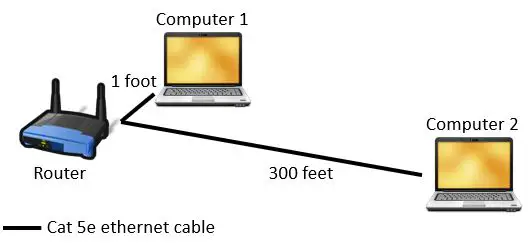
    In our imaginary experiment we’ll use one category 5e ethernet cable that is 300 feet long and another that is 1 foot long.

    In this test let’s say you have two computers that are exactly the same. One computer is connected to your router with the 300 foot long cat 5e cable. The other is connected to your router with the 1 foot cat 5e ethernet cable.

    Long and short ethernet cable experiment

    If you used both computers to navigate to YouTube and started streaming the same video, you wouldn’t notice a difference in performance between the two computers.

    Technically, the internet data you requested (i.e. the YouTube video) would reach the computer with the 1 foot ethernet cable faster. However, data travels so fast over ethernet cables that the data would reach the computer with the shorter ethernet cable fractions of a second ahead of the computer connected with the long cable.

    From your perspective, the internet experience on both computers would be the same.

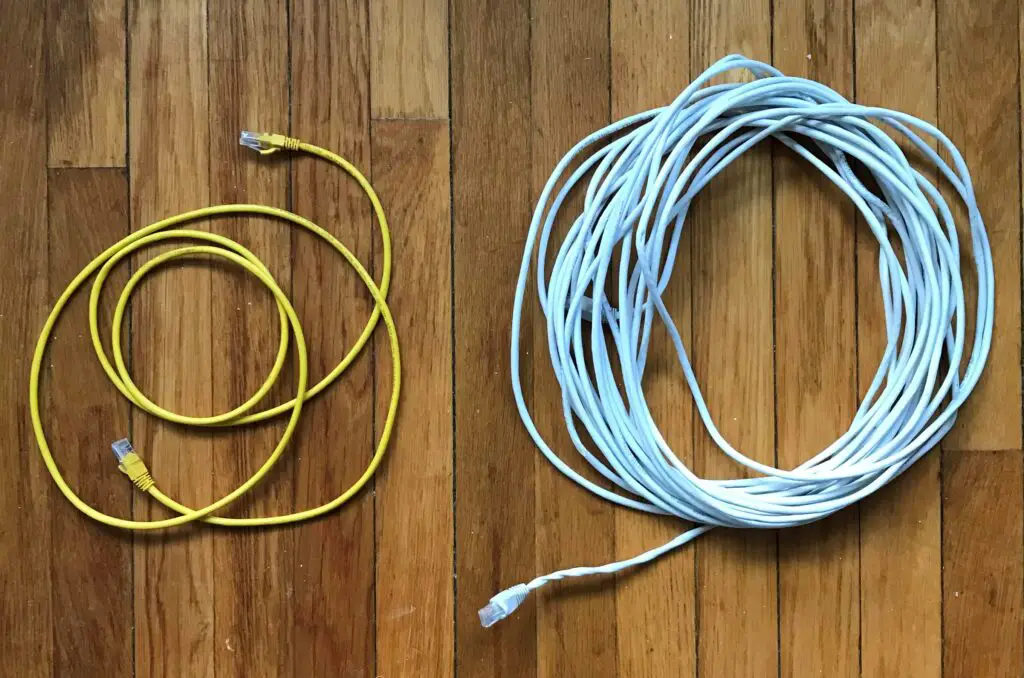
    For another visual, look at the picture below. Using the cable on the left will provide the same performance as the cable on the right.

    Ethernet cable length comparison
    These ethernet cables will support the same transmission speeds

    Sounds great, doesn’t it? There really aren’t any disadvantages to using long ethernet cables are there?

    Unfortunately it’s not as straightforward as it may seem. That’s because there’s a limit to the length that an ethernet cable can be before its speed is affected.

    There are two things to consider here:

    1. All ethernet cables will experience much slower speeds if they’re too long
    2. Some ethernet cables are designed to support different speeds at different lengths

    Let’s take a closer look at both of these situations.

    Ethernet cable performance degrades at long lengths

    As I previously mentioned, in most cases the length of your ethernet cables doesn’t affect their speed.

    Unfortunately there’s a limit to this. That’s because the performance of almost all ethernet cables degrades when the cable is about 328 feet (100 meters) or longer.

    Let’s say you have a standard cat5e ethernet cable. These cables generally support data transmission speeds up to 1 gigabit per second (Gbps).

    If that cable is 200 feet long, it won’t have any trouble supporting speeds up to 1 Gbps. Add another 128 feet or so to that cable, and it’s an entirely different story.

    Although I’ve never tried it myself, I’ve read that data transmission speeds of cat5e ethernet cables can drop to around 10-15 megabits per second (mbps) when the cable is longer than 328 feet.

    According to my calculations, that’s about a 98% drop in performance. I think you’d notice the difference.

    But why does this happen? Why do cables get much slower at about 300 feet long?

    This is due to the fact that ethernet cables have resistance.

    The longer the ethernet cable is, the more resistance the cable has to the flow of electricity. In other words, the longer the cable is, the harder it is for the electric pulses to travel from one end of the cable to the other.

    At around 328 feet, the resistance of the cable becomes too much for the electricity running through the cable, greatly slowing it down. This could actually happen at shorter lengths than 328 feet if there are sources of electromagnetic interference affecting the cable.

    The good news is, most people don’t need ethernet cables that are longer than 328 feet. If you do, just buy two shorter cables and connect them with an ethernet coupler.

    Some ethernet cables are designed to support different speeds at different lengths

    The other factor to be aware of when it comes to ethernet cable performance has to do with the type of ethernet cable you have. That’s because some ethernet cable types support different speeds depending upon how long they are.

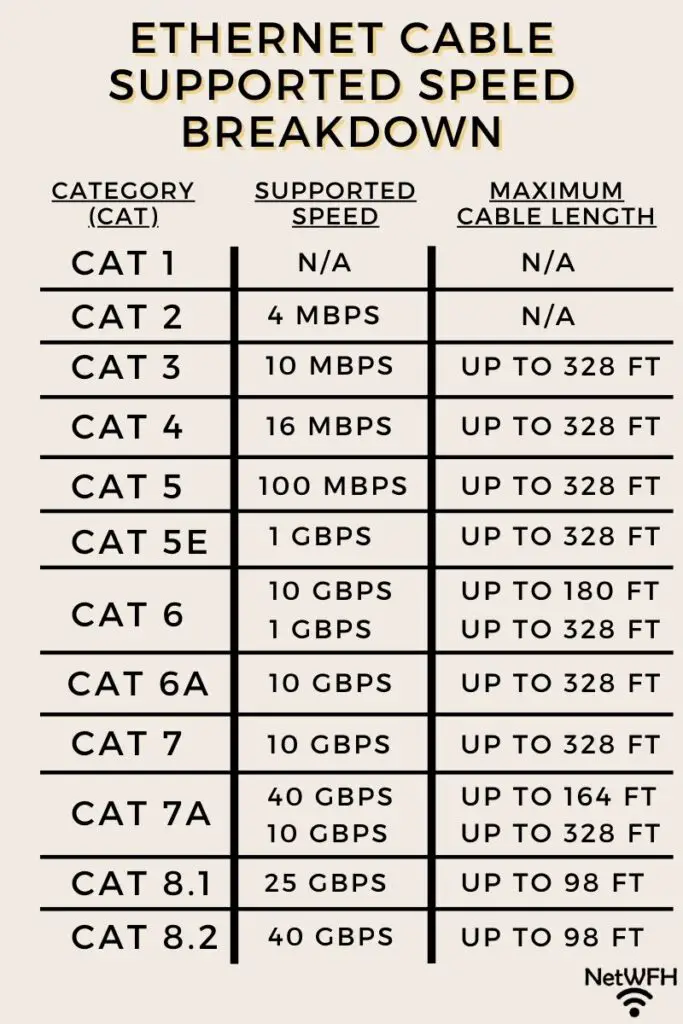
    Ethernet cable supported speed breakdown

    Let’s start with the most common ethernet cables. These are category 5e and category 6 cables.

    Do these cable types supports different speeds at different lengths?

    Category 5e cables will support the same speed for any length up to 328 feet. The same can’t be said for cat 6 ethernet cables.

    Cables that support different speeds at different lengths

    A category 6 ethernet cable will support speeds of 10 Gbps for up to 180 feet (55 meters). At distances longer than 180 feet and less than 328 feet, a cat 6 cable supports speeds up to 1 Gbps.

    Chances are, you won’t need an ethernet cable longer than 180 feet. Even if you did, 1 Gbps should cover any of your data transmission needs.

    To put it simply, this information probably won’t change the type of ethernet cable you use. You’d only need a cable that supports faster speeds if you’re using it in some sort of data center.

    Speaking of data centers. That’s exactly what these next cables are used for.

    The other ethernet cables that support different speeds at different lengths are the category 7a and category 8 cables.

    A cat 7a ethernet cable supports speeds of 40 Gbps up to 164 feet (50 meters). For cat 7a cables between 164 and 328 feet, they support data transmission speeds up to 10 Gbps.

    Category 8 cables are a little different. Both types of cat 8 cables (8.1 and 8.2), support high data transmission rates of 25 Gbps and 40 Gbps, respectively. What’s unique about these cables is that they’re designed to be a maximum length of 98 feet. So although they don’t support different speeds at different lengths, their maximum length is much shorter than other ethernet cables.

    All other types of ethernet cable will support the same speed for any length up to 328 feet. So if you have a cat 5e ethernet cable, you don’t have to think twice about the speed it supports.

    Wrap up

    As long as your ethernet cables aren’t longer than 328 feet and they aren’t cat 6, cat 7a, or cat 8 cables, it doesn’t matter how long they are. They’ll support the same data transmission speeds.

    This’ll make things easier when you’re setting up your internet connections. You’ll have the freedom to use the length of ethernet cable that best fits your situation.

    In fact, most people don’t use ethernet cables longer than 20 or 30 feet. Cables of that length will all support the maximum possible data transmission rate of the cable, even for cat 6, cat 7a, and cat 8 cables.

    For the most part, there’s really not much to worry about when it comes to ethernet cable lengths and the speeds they support. Odds are, you’re using a cable that’s well within its performance limits.

    If you have any questions about this information or you’d like to share your personal experiences with ethernet cables, please drop a comment below.

    If this was useful information for you, check out some of my other posts on similar topics:

    How to Tell What Type of Ethernet Cable You Have

    Can an Ethernet Cable Slow Your Internet Speed?

    Is an Ethernet Cable Faster Than WiFi?

    What is an Ethernet Switch Used for?

    What Router Make and Model Do I Have?

  • How to Tell What Type of Ethernet Cable You Have

    How to Tell What Type of Ethernet Cable You Have

    Tell type of ethernet cable title page

    I wish I could tell you that all ethernet cables are the same.

    Unfortunately that’s not the case. Even though they all might look the same, they can actually be quite different.

    An ethernet cable’s performance will depend upon how it’s made and the specifications it’s built to. Thankfully, ethernet cable standards have been developed to separate the different types of ethernet cables into categories, which I’ll get in to later.

    So if ethernet cables all look the same, how do you know what type of cable you have?

    In general, ethernet cables can be identified by looking at the labeling on the side of the cable. The outer sheath of an ethernet cable usually provides information about the configuration of the cable, including the type (or category) of the cable, its frequency, and the standards it was made to.

    In this post, I’ll detail exactly what to look for when it comes to identifying your ethernet cables. I’ll also explain what types of ethernet cables you should be using in your home.

    Why It’s Important to Know the Type of Ethernet Cables You Have

    This might be surprising, but the ethernet cables you use can make a difference in your network’s performance.

    There are multiple reasons why you should be paying attention to the ethernet cables you have. We’ll dive into each of these reasons in detail.

    Ethernet Cables Provide Better Performance Than WiFi

    Let’s start with the basics here.

    What are ethernet cables used for?

    To put it simply, ethernet cables are used to move data between devices.

    Inside an ethernet cable, there are 4 pairs of copper wires (8 wires in total). Your devices send electric signals over these wires in order to transmit data to other devices. The device on the other end of the connection receives these signals and translates them into meaningful messages for the end user.

    Keep in mind that ethernet cables aren’t the only way to connect devices. Devices can also be connected wirelessly using WiFi technology. Although these methods accomplish the same thing, there are advantages to using ethernet cables.

    Ethernet cables transfer data more reliably than a WiFi connection because there’s a physical connection between the two devices. In a wireless connection, signals can get interrupted and distorted as they travel through the air.

    In addition, when using an ethernet cable, there’s less delay when sending data between the two devices compared to a wireless connection. I’ve tested the differences between WiFi and ethernet connections on my own to prove this out. I wrote an article on my findings if you’re curious to see what I discovered.

    These advantages will only benefit you if you’re using the right ethernet cable for your environment.

    The Wrong Cable Category Can Limit Your Internet Speed

    The biggest reason to pay attention to your ethernet cables is because of the impact they can have on your internet speed.

    If you’re using the wrong cable in your home network, it can limit your internet speed. For your reference, I’ve previously written about how ethernet cables can limit your internet speed if you’d like to dive into the details of why this happens.

    Imagine spending a lot of money on an internet plan only to have it restricted by an ethernet cable that costs less than $10. Yeah, I wouldn’t want that either.

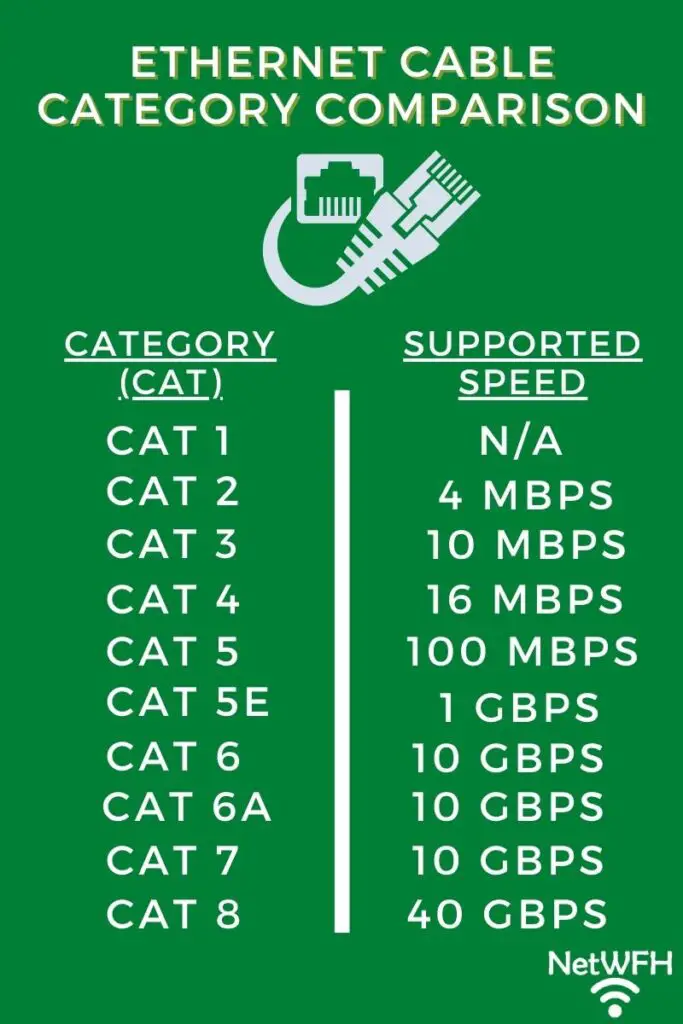
    The key here is to make sure your ethernet cable can support the speeds provided by your internet plan. The category (or CAT) of the cable will tell you this information.

    Here’s a summary detailing the internet speeds that each category of ethernet cable can support:

    Ethernet cable category comparison

    It’s very important that you use an ethernet cable category that supports speeds faster than your internet plan. If you don’t, it’ll limit the internet speed on your network. Data can only move through your environment as fast as your ethernet cables allow.

    You Should Use Different Cables Depending Upon the Environment

    The environment surrounding your ethernet cables will have an impact on the type of cable you should use.

    In order to pick the best ethernet cable for your situation, you’ll need to look at the environment it’ll be used in. This is because some environmental factors can impact the transfer of data through your ethernet cables.

    Specifically, I’m talking about electromagnetic interference (EMI).

    When machines and electrical equipment are powered on, they generate magnetic fields that can impact the performance of your ethernet cables. In most cases, the EMI generated by household electronic equipment is minimal and you don’t have to worry about it.

    With that said, some equipment that generates high EMI and can impact your ethernet cables are:

    • Power generators
    • Commercial air conditioners
    • Large motors
    • High-power radios

    In other words, if your ethernet cables will be used in a manufacturing or production environment, you need to account for this. In your home or an office setting, you shouldn’t have to worry about EMI impacting your ethernet cables.

    So how does this impact the ethernet cable you buy?

    Shielded vs. Unshielded Twisted Pair Cables

    If you’ll be using your ethernet cables in an environment with heavy machinery, you’ll want an ethernet cable that reduces the impact of EMI on the cable.

    There’s a special type of ethernet cable for this application. These are called shielded twisted pair (STP) cables. They include a foil shielding around the copper wires in the ethernet cable. This reduces the impact of EMI on the cable.

    If you don’t have to worry about EMI, you can use an unshielded twisted pair (UTP) cable. These cables don’t come with the shielding that STP cables have, and they cost less as a result.

    If you’re interested in learning more about STP and UTP cables, check out this article I wrote detailing the differences between shielded and unshielded cables.

    For your reference, the “twisted pair” portion of these configurations just means that the wires inside the cable are twisted in pairs of two. Twisting the pairs of cables makes the transmission of data more reliable. It also prevents low EMI environments from impacting the transfer of data through the cable.

    Where Are Ethernet Cables Used?

    Ethernet cables are most often used to connect your modem and router together (if they’re separate devices).

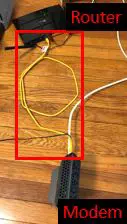
    For example, here’s the ethernet cable connecting my modem and router in my home network.

    Ethernet cable connecting modem and router
    An ethernet cable connecting a modem and router

    Additionally, you may use ethernet cables to connect your computers or gaming system to your router with a wired internet connection.

    If your modem and router are combined into the same device, it’s possible you may not have any ethernet cables in your home network. With that said, most homes are using at least one.

    Additionally, you’ll likely see ethernet cables in many office environments. Due to the fast and reliable connections ethernet cables provide, they’re often used to connect all of an office’s computers to the internet.

    How to Tell What Type of Ethernet Cables You Have

    Let’s say you have an ethernet cable but you’re not sure what type it is.

    How do you find this information?

    The good news is it’s pretty easy to find this information. You just need to know what to look for.

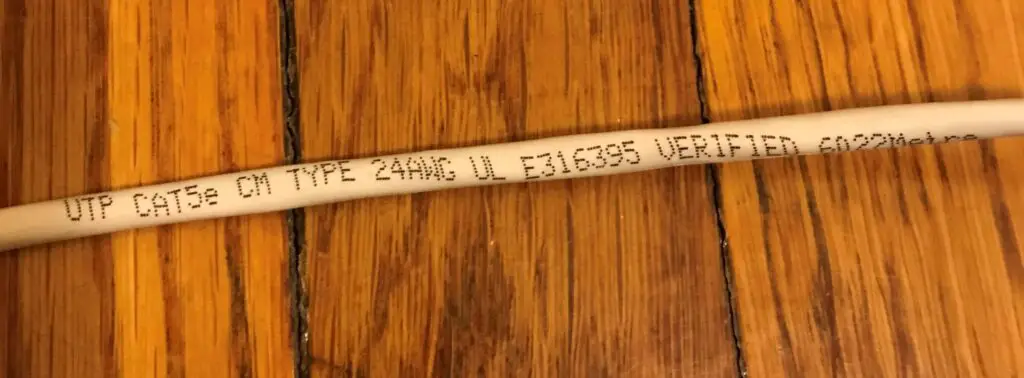
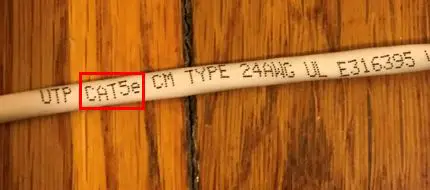
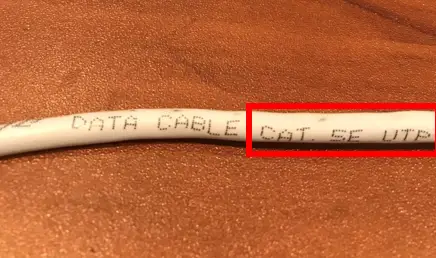
    The first thing you need to do is look along the length of the cable. Do you notice there are a bunch of symbols and numbers on the side?

    The vast majority of ethernet cables will have these labels printed on them.

    Label on Cat5e ethernet cable
    The label on the side of an ethernet cable

    Here’s where we need to take a closer look.

    The problem is, all these words and numbers can be confusing. From all of this information, there are two parts of it that you really need to care about.

    Identifying the Category of Cable

    The first thing you want to look for on your cable label is what category it is. This is most important for making sure your cable can support the speed of your internet plan.

    This should be pretty easy to find, because the label will start with “CAT”. The number after “CAT” will indicate what category it is. As a reminder, you can review the table from the previous section that details the speed that each category of ethernet cable supports.

    Here’s an example from one of my ethernet cables.

    Ethernet cable category label

    This ethernet cable is a CAT5e cable. Using the table above, I know that this cable can support 1 gigabit per second (Gbps) of data transmission. That’s way faster than the speed of my internet plan, so I know this cable won’t restrict the speed of my home network.

    Identifying if the Cable Is Shielded Twisted Pair or Unshielded Twisted Pair

    The next thing you want to look for is whether the cable is shielded or not. This will tell you if the cable is meant for a high EMI environment.

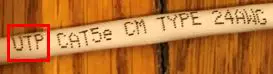
    On the label of your cable, this is usually listed right before the category identified. It’ll show either UTP for an unshielded twisted pair cable, or STP for a shielded twisted pair cable.

    Going back to our example:

    Ethernet cable shielding label

    This cable has an unshielded twisted pair configuration. This is perfect because I’m using it my home and don’t have to worry about electromagnetic interference.

    If your ethernet cable is being used in a heavy machinery or production environment, you might find that the label says “STP” because it’s shielded.

    What Does the Other Information on the Label Mean?

    With all that information on the label, why are we only interested in a portion of it?

    The reason for this is because the other parts of the label are informational in nature. In other words, they provide information that doesn’t really impact if the cable is a good fit for your network or not.

    For example, some of the other information on the label may include:

    • The manufacturer of the cable
    • The bandwidth of the cable. This will usually be the same for all cables in the same category.
    • The number of twisted pairs in the cable. This is almost always 4.
    • The highest temperature that the cable is rated for. I’ve seen these ratings between 60-75 degrees Celsius (or 140-167 degrees Fahrenheit).
    • The wire gauge: this is simply the size of the wires in the cable and is the same for ethernet cables in the same category. For CAT5e cables, it’ll show as 24AWG.
    • If the cable has been certified: this will indicate if the cable is compliant with a set of published standards.

    As you can see, you don’t really have to worry about most of the other information on the ethernet cable. You’ll only need to take this information into consideration if the cable will be used in a unique environment.

    In most situations, you only need to worry about the category and if the cable is shielded or not.

    What if Your Ethernet Cable Doesn’t Have a Label on the Side?

    There are some cases where your ethernet cable might not have a complete label on its side.

    Unfortunately, this makes things a little more challenging.

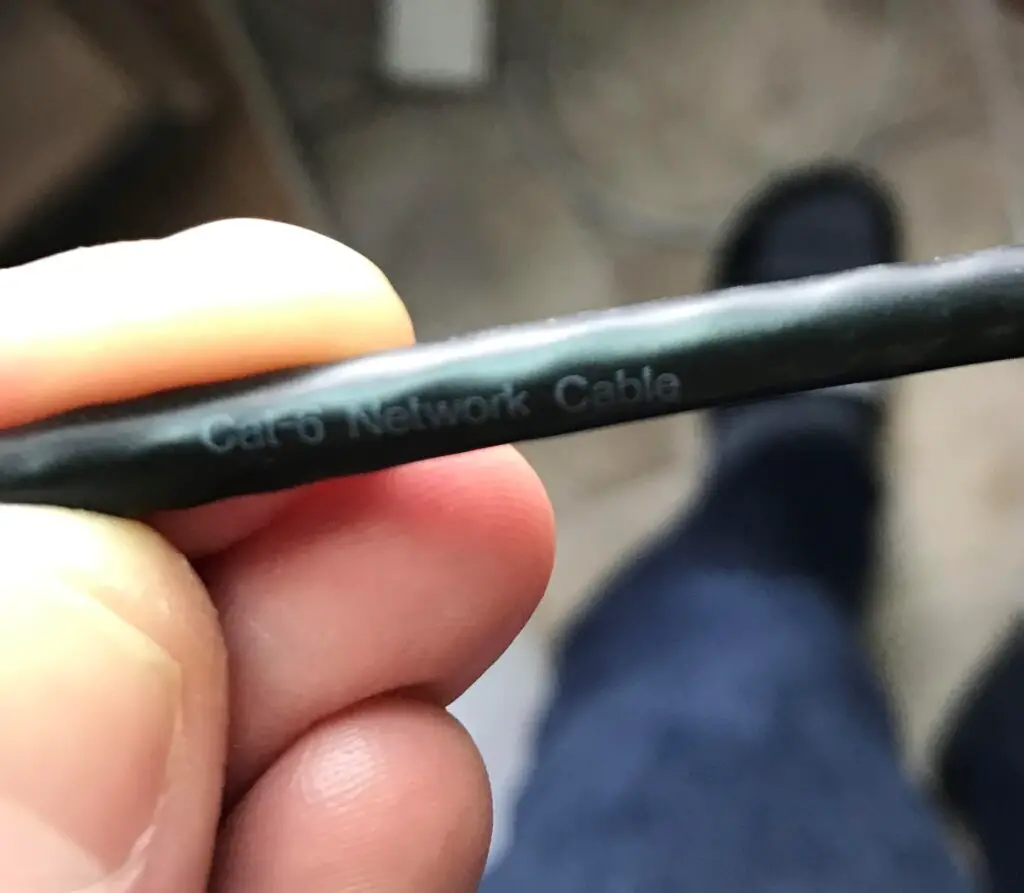
    This is actually the case with one of the cables I bought online. On the side of the cable it only lists “CAT-6 Network Cable”. It doesn’t identify if the cable is shielded twisted pair or unshielded twisted pair.

    Cat6 network cable
    An ethernet cable with an incomplete label

    I have an easy way out here because I bought the cable myself. When I bought it, I made sure it was an unshielded twisted pair cable. If I ever need to confirm this information, I can look back at my purchase history or the receipt from the purchase.

    If you have an ethernet cable without a complete label and you’re not sure where it came from, you have less options. You could try to run some speed tests with it to see if it supports the speeds you want, but even that might not be worth the trouble.

    It might be worth buying another cable to make sure it has the specifications you want. You can find them online for less than $10.

    What Type of Ethernet Cable Should I Have?

    Now that you can identify what types of ethernet cables you’re using, you can make smart decisions about which ones you need to replace.

    For the vast majority of people and applications, unshielded twisted pair CAT5e cables will do the trick. If you want to get really crazy, you can even pick up a UTP CAT6 cable for a similar price.

    The only catch with CAT6 cables is that they only support speeds of 10 Gbps for up to 164 feet. At distances greater than 164 feet, they support the same speeds as CAT5e cables (1 Gbps). With that being said, most people don’t need ethernet cables longer than 164 feet anyway.

    Either way, with a CAT5e or CAT6 cable you shouldn’t have to worry about your ethernet cable slowing your internet speed.

    If any of the cables you’re currently using are lower than CAT5e (i.e. CAT4 or below), you should probably replace them.

    On the other hand, let’s say you’re using shielded twisted pair ethernet cables in a home or office environment where EMI isn’t a risk. If this is the case in your situation, you can probably continue using them so long as you’re not experiencing any issues.

    The disadvantages of shielded twisted pair cables are that they’re less flexible than unshielded cables and they cost more. If you’ve already bought the cables and they’re working well, there’s no need to replace them. Using an STP cable in a non-EMI environment won’t impact the speed of data transfer through the cable.

    Wrap Up

    It’s important for you to be able to identify the ethernet cables you’re using. It only takes a few minutes, and it can greatly impact the internet speed in your home. Especially when you consider that ethernet cables are inexpensive, it’s well worth your time to make sure you have the right ones.

    If you have any questions about which cables you should be using, please feel free to drop a comment below.

    If you found this information useful, check out some of these other posts that might be helpful as well:

    Is an Ethernet Cable Faster Than WiFi?

    Can an Ethernet Cable Slow Your Internet Speed?

    What is an Ethernet Switch Used for?
    What Router Make and Model Do I Have?

    What is a Modem Router Combo?

  • Is an Ethernet Cable Faster Than WiFi?

    Is an Ethernet Cable Faster Than WiFi?

    Is using an ethernet cable faster than WiFi when connecting to the internet?

    -Internet User

    I can’t count the number of times I have seen this question on the internet.

    Well, I finally decided to test this on my own.

    I am glad I did, as I learned a few things in the process.

    Hopefully you will learn something as well.

    What is the difference between ethernet and WiFi?

    Before I share the results of my experiment, let’s start by breaking down the difference between ethernet and WiFi.

    What is an ethernet cable connection?

    An ethernet connection to the internet is also known as a wired connection.

    In a wired connection, an ethernet cable is connected from a router to the device that will be accessing the internet. This device could be:

    • A desktop computer
    • An Apple TV
    • A modern gaming system
    • Any other device that connects to the internet with an ethernet port

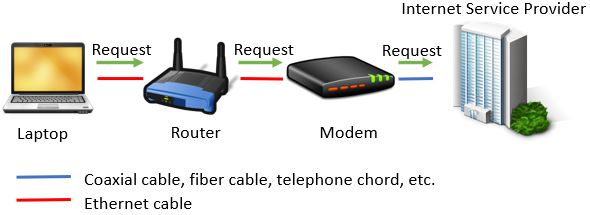
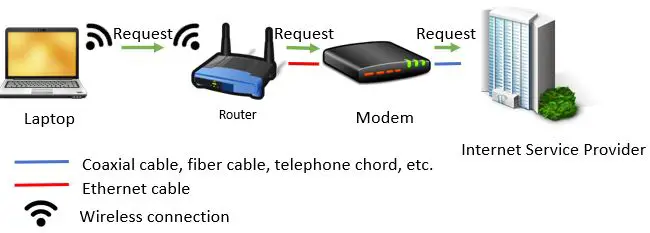
    Whenever a request is sent from the device to the internet, electrical signals are sent through the ethernet cable to the router. From the router, the signal is sent to the modem where it is translated into an analog signal and forwarded out to the Internet Service Provider (ISP). Depending upon the setup of your network, your request will follow a path similar to this:

    Wired Connection Request to ISP
    Example of wired connection request to an ISP

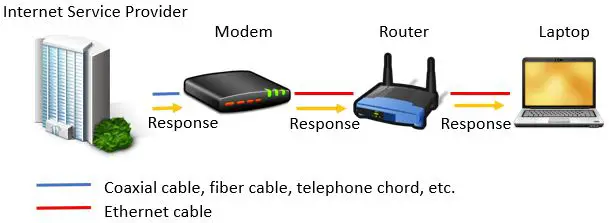
    The ISP is responsible for finding what you requested (e.g. website, YouTube video, etc.) and returning it back to you so you can view it on your device. The response from the ISP will take the following path:

    Wired Connection Response from ISP
    Example of a wired connection response from an ISP

    There are multiple types of ethernet cables that can be used to connect your device and router. As you can see in the pictures above, ethernet cables are also used to connect your modem and router if they are separate devices.

    Can an ethernet cable affect internet speed?

    You should be aware that the type of ethernet cable you use can have an impact on your internet speed. I have previously written an in-depth post explaining the different types of ethernet cables if you would like to learn more.

    What is WiFi?

    WiFi stands for wireless fidelity and it is said to have been used as early as 1999. This is the name stuck in the tech industry. It does not have much literal meaning when it comes to wireless internet connections.

    A WiFi connection to the internet is also known as a wireless connection.

    In a wireless connection, there is no ethernet cable between the router and the device that will be accessing the internet. The device and router connect to each other using radio waves that are sent through the air.

    The internet request from your device will look something like this:

    Wireless Connection Request to ISP
    Example of wireless connection request to an ISP

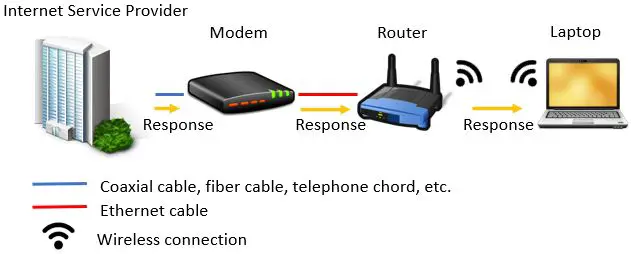
    Once the ISP handles your request, they will send a response to your device along this path:

    Wireless Connection Response from ISP
    Example of a wireless connection response from an ISP

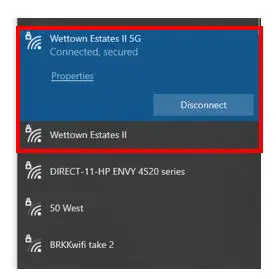
    When sending a request over WiFi, your device sends its request to the router via radio signal. The radio signal is sent with a frequency of either 2.4 or 5 gigahertz (GHz). This is why modern routers have 2 different networks you can connect to:

    2G and 5G Wireless Networks Example
    2.4 GHz and 5 GHz connections on a wireless network

    For example, on my network there is an available 5 GHz connection (Wettown Estates II 5G) and 2.4 GHz connection (Wettown Estates II).

    I will explain the difference between a 2.4 GHz and a 5 GHz wireless connection in another post.

    Ethernet cable vs. WiFi speed test

    My expectations

    I will admit I went into this experiment with an idea of what the results would be.

    All the articles I had read about the speeds of ethernet and WiFi indicated that ethernet connections are much faster. What I didn’t realize was that the equipment you use in your internet connection can affect your results.

    Don’t know what I mean? You will understand what I am talking about as I walk you through my results.

    Let’s get started.

    Dell Inspiron 3580 speed test

    The first thing I wanted to do in this experiment was compare the bandwidth of ethernet and WiFi connections.

    A bandwidth test is a test of a connection’s pure speed. Think of this as a measure of how fast someone can sprint during a 40 yard dash.

    How fast can data move from the internet to your device?

    WiFi speed test

    The first test I performed was a bandwidth test on my 5 GHz wireless network. As a note, 5 GHz wireless networks are generally faster than 2.4 GHz connections. I wanted to see what my fastest possible WiFi connection was so a 5 GHz connection was the logical choice for this test.

    I used the online speed test from Ookla for my experiment. If you want to run this experiment yourself, check out their site.

    Before showing my results, it is important to note that my internet plan with my ISP provides a maximum download speed of 600 megabits per second (Mbps). In other words, my maximum data rate for any of my devices would be 600 Mbps.

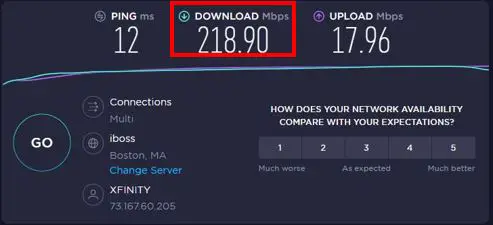
    My results for the wireless speed test for my personal laptop (Dell Inspiron 3580) were as follows:

    Wireless Speed Test Results Dell Inspiron 3580
    Wireless Speed Test Results Dell Inspiron 3580

    As you can see, my personal laptop was getting about 219 megabits per second (Mbps) over WiFi. This is plenty of bandwidth for any of my internet needs on my laptop.

    Ok now we have a data point to compare with the bandwidth of a wired internet connection.

    Ethernet speed test

    Next I connected a Cat5e ethernet cable to my personal laptop to test my wired internet connection. For your reference, a Cat5e ethernet cable can support speeds up to 1,000 Mbps (1 Gbps). I used a Cat5e cable because it supports speeds greater than my maximum internet speed (600 Mbps) and therefore wouldn’t restrict my internet connection.

    I used the same speed test that I used for my wireless speed test for consistency. My results were as follows:

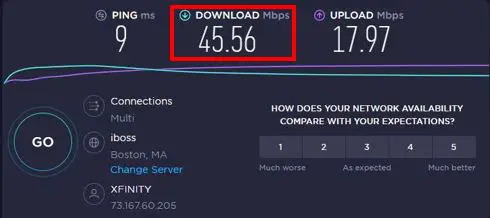
    Cat5e Wired Speed Test Results Dell Inspiron 3580
    Cat5e Wired Speed Test Results Dell Inspiron 3580

    Speed test results comparison

    The results were in: I got 219 Mbps with a wireless connection and about 46 Mbps for my Cat5e wired connection.

    Wait, what? I thought ethernet cable internet connections were supposed to be faster than wireless connections?

    There had to be something wrong. Everything I had read stated that ethernet was much faster than WiFi.

    What gives?

    I decided to dig into this to find out what the problem was. It turns out my own computer was the bottleneck.

    Why was my wired ethernet connection so slow?

    When conducting the ethernet connection test, I assumed that all computers are built to handle all ethernet speeds.

    What I didn’t realize that the hardware of a computer can greatly impact your ethernet connection experience.

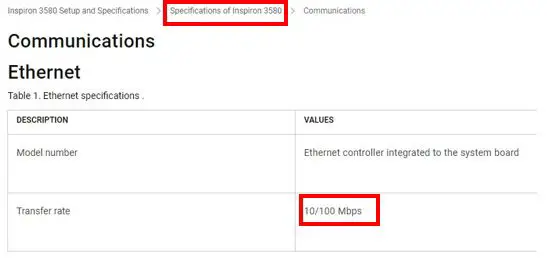
    I looked up the specs of my personal computer to see why my ethernet connection was so slow compared to WiFi. In short time I found the ethernet port capabilities on my Dell Inspiron 3580:

    Dell Inspiron 3580 Ethernet Port Specs
    Dell Inspiron 3580 Ethernet Port Specs

    The maximum ethernet connection speed of my personal laptop is 100 Mbps. That explains why my ethernet connection was not faster than my 219 Mbps wireless connection.

    I was not expecting that.

    Ethernet ports on your devices

    Although a WiFi connection was faster than an ethernet connection in this case, it does not mean that the ethernet connection would not meet my internet needs.

    The most bandwidth-intensive thing I do on my Dell Inspiron 3580 is stream YouTube videos and Netflix. With 46 Mbps from my ethernet connection, I can do both of those things in ultra-high definition without any issues. In other words, I can use an ethernet cable or WiFi to connect to the internet and have an unrestricted internet experience.

    It is more convenient for me to connect wirelessly, so I will use WiFi without thinking twice.

    Another example of this is your Apple TV.

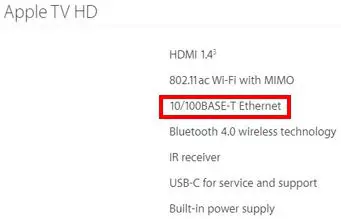
    Apple TVs have an ethernet port that only supports 100 Mbps connections.

    Apple TV ethernet port specs
    Apple TV ethernet port specs

    Why is this? Why doesn’t it support 1 Gbps?

    The reason is because it doesn’t have to. Similar to my laptop, the most bandwidth-intensive thing an Apple TV has to do is stream video. You can stream anything you want without restriction with much less than 100 Mbps. There is no need to have an ethernet port that supports anything faster.

    Conclusions from the Dell Inspiron 3580 bandwidth test

    The results from this bandwidth test made me realize that an ethernet connection is not always faster than a WiFi connection. It largely depends on the hardware you are using to connect to the internet. In my case, my laptop is a few years old and it did not break the bank when I bought it.

    Lastly, if a wireless connection is faster than ethernet it does not mean that the device won’t meet your needs of it.

    But what if I used a more modern computer for my test? Would I see the same results?

    I decided to find out.

    HP Elitebook 840 speed test

    To try the bandwidth test again, I got my hands on an HP Elitebook 840 G6 laptop. This laptop is newer and more expensive than my personal laptop, so I figured it would be good for the retest.

    I looked up the specs of the ethernet port on the Elitebook 840 to make sure it had an ethernet port that supported faster speeds than my personal computer.

    HP Elitebook 840 G6 Ethernet Port Specs

    Unlike my Dell Inspiron 3580, the HP Elitebook 840 G6 has an ethernet port that supports 1 Gbps. This removes the bottleneck from the previous experiment.

    Now let’s run the full test again.

    WiFi speed test

    I ran a wireless speed test on on the same 5 GHz wireless connection that I used in the previous test.

    Wireless Speed Test Results HP Elitebook 840
    Wireless Speed Test Results HP Elitebook 840

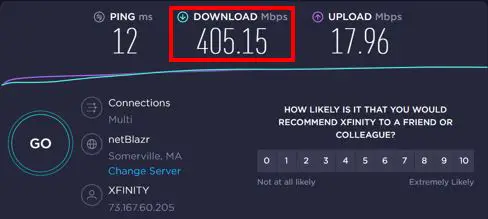
    As you can see, I got much faster wireless connection speed with this laptop at 405 Mbps. Not only is the ethernet port better on this laptop, but the wireless adapter is better as well.

    Wireless adapter comparison

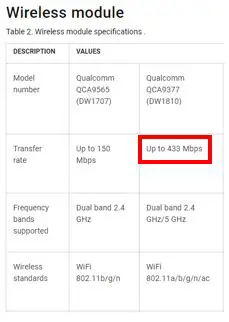
    On my Dell Inspiron 3580 I have a Qualcomm QCA9377 wireless adapter which is capable of up to 433 Mbps.

    Qualcomm QCA9377 Wireless Adapter Specs
    Qualcomm QCA9377 Wireless Adapter Specs

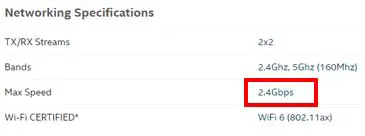
    On the more expensive HP Elitebook 840 there is an Intel AX200 wireless adapter capable of up to 2.4 Gbps.

    Intel AX200 WiFi Adapter Speed
    Intel AX200 WiFi Adapter Speed

    As expected, my maximum wireless internet connection speed is higher on the better internet adapter card on the HP Elitebook 840.

    What about the ethernet connection speed? Would that top the speed of the wireless connection?

    Ethernet speed test

    I ran the ethernet bandwidth test with the same Cat5e cable I used on the other test.

    The results were much better than what I saw with the Dell Inspiron 3580.

    Cat5e Wired Speed Test Results HP Elitebook 840
    Cat5e Wired Speed Test Results HP Elitebook 840

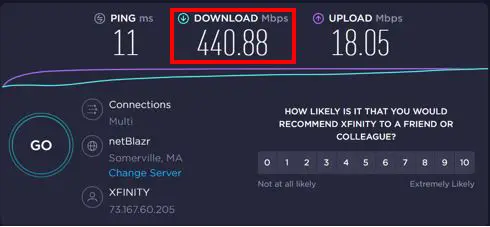
    The HP Elitebook 840 saw about 440 Mbps with an ethernet connection.

    Speed test results comparison

    That is more like it.

    On the Elitebook 840 an ethernet connection got 440 Mbps while the WiFi connection saw 405 Mbps.

    From a pure speed perspective, it is true that an ethernet connection can be faster than a wireless connection, but only if the ethernet port of the device you are using can support it.

    So is that it? Has our investigation concluded? Can we definitively say that ethernet is faster than WiFi?

    Actually, there is another aspect of these connections we can investigate.

    I’m talking about latency.

    What is internet latency?

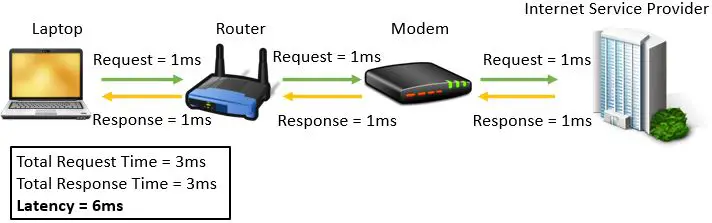
    Latency is another term that is used when analyzing the speed of an internet connection. It describes the time it takes for one device to respond to another device. In other words, latency is the amount of time from when a device sends a request until the time it receives a response. It is often referred to as “ping” and it is measured in milliseconds (ms).

    If a bandwidth test is the speed that someone can run a 40 yard dash, latency is how quickly the person starts moving after the starting gun goes off.

    For a visual example of latency:

    Latency Example
    Latency example

    Why is latency important?

    Latency can affect the performance of any real-time activity on the internet.

    Example of real-time activities are:

    • Online gaming
    • Skype or Zoom video conferences
    • Voice calls over the internet

    Latency may be more important than bandwidth during these activities.

    For example if you are voice calling someone over the internet, a high latency would mean that the person on the other line says something and you don’t hear it right away. This often results in people talking at the same time because they hear silence from the other end of the call.

    In online gaming, latency can cause you to shoot at someone on your screen but in reality they are no longer there. This is often referred to as lag.

    Latency is important because users want instant feedback from the other end when they perform an action. High latency leads to a poor experience and frustration for everyone involved.

    With that said, what has higher latency? Ethernet or WiFi connections?

    That was the next factor I investigated.

    Ethernet cable vs. WiFi latency test

    My expectations

    Similar to what I read about bandwidth, I read that there is less latency in ethernet connections. Less latency means there is less delay from when a request is made until a response is received.

    After the results of the bandwidth test I performed, I wasn’t so sure.

    For the latency test I continued using the HP Elitebook 840 as opposed to the Dell Inspiron 3580. I felt the HP Elitebook would provide more accurate results because the ethernet port would not limit the ethernet connection.

    HP Elitebook 840 latency test

    To test the latency of a connection a ping test can be performed. Anyone can perform a ping test on their computer by opening the command line interface. This can be done by entering “cmd” in the search bar of a Windows computer.

    A ping test can be performed by completing the following steps:

    1. Open a command prompt
    2. Type “ping” followed by the device or location you want to ping and pressed enter
      • E.g. “ping google.com” will give you statistics on your latency for connecting to google.com
      • You can also ping your router if you know its IP address

    The device or location will be pinged 4 times and the statistics of the test will be shown.

    If you are a visual learner I created a YouTube video detailing how to complete a ping test.

    How to Perform a Ping Test

    WiFi latency test

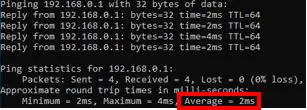
    In order to compare the latency of an ethernet and WiFi connection, I decided to perform the ping test to my router. The router is the first device that receives an internet request that comes from a laptop, so I felt it would allow me to directly compare the difference between a WiFi and ethernet.

    The results for the ping test to my router were as follows:

    Wireless Ping to Router Test Results HP Elitebook 840
    Wireless Ping to Router Test Results HP Elitebook 840

    The average latency between the HP Elitebook 840 and my router was 2ms. Not bad!

    Ethernet latency test

    For the ethernet latency test, I used the same Cat5e ethernet cable that was used for the bandwidth test.

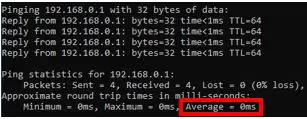
    I performed the ping test to the router for consistency:

    Wired Ping to Router Test Results HP Elitebook 840
    Wired Ping to Router Test Results HP Elitebook 840

    0ms! Is that even possible?

    Technically no, as all communications between devices take at least a fraction of a millisecond. We can safely say that the ping from the HP Elitebook to the router using the ethernet cable took less than 1ms.

    Latency test results comparison

    For the wireless connection, an average of 2ms was experienced between the laptop and router. For the wired connection there was an average latency of less than 1ms.

    It looks like ethernet has won this battle as well.

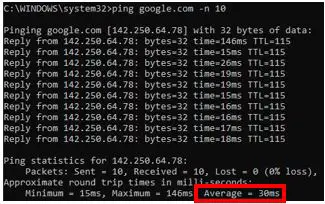
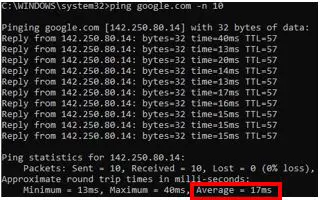
    To take this experiment one step further, I pinged Google on a wired and wireless connection to see if anything changed. I also pinged Google 10 times instead of 4 so the average latency would not get distorted by a bad ping.

    With a wireless connection:

    Wireless Ping to Google Test Results HP Elitebook 840
    Wireless Ping to Google Test Results HP Elitebook 840

    The average latency was 30ms.

    And for the Cat5e wired connection?

    Wired Ping to Google Test Results HP Elitebook 840
    Wired Ping to Google Test Results HP Elitebook 840

    There was an average latency of 17ms.

    The results agree with our initial test. Therefore we can confirm what I had read: ethernet connections experience less latency than WiFi connections.

    Ethernet and WiFi upload speeds

    The experiments I performed all pertain to the download speed on a device.

    What about the reverse direction? What about the upload speeds of these connections?

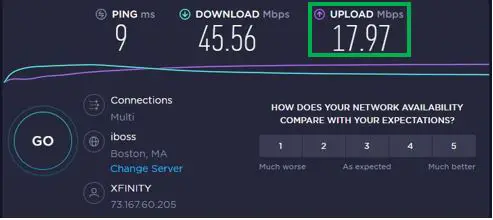
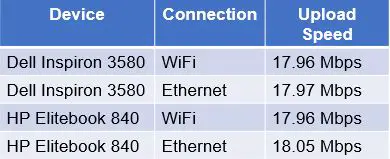
    To summarize my findings, it did not appear that the type of internet connection greatly affected the upload speed.

    For your reference, the upload speed is included as part of the Ookla bandwidth tests that I ran.

    Upload Speed Test Results Example
    Upload Speed Test Results Example

    Here is a summary of the test results:

    Summary of Upload Speed Test Results
    Summary of Upload Speed Test Results

    As you can see no matter what connection or device was used, there was an upload speed of about 18 Mbps.

    If you frequently upload to the internet (e.g. large files or live streaming), I would recommend using an ethernet connection. WiFi connections transfer their signals through the air and these signals can be interfered with by other electronic devices (e.g. monitors, microwaves, etc.). Ethernet connections are more resistant to this interference from other electronic devices and therefore offer a more reliable connection.

    To put it simply, ethernet cables are much less likely to have a dropped connection than a WiFi connection.

    What do these test results mean?

    The experiments I performed indicate that ethernet connections provide higher bandwidth and lower latency connections to the internet.

    In light of these results it is important to note that just because ethernet connections can be faster than WiFi (with the right equipment), it does not mean that wireless connections are too slow to meet their intended function.

    In most cases, a WiFi connection will fit your internet needs if you have the right internet plan. However, if you’re an online gamer or frequently need the internet for real-time communication, you’ll want to use an ethernet connection to minimize latency.

    If reading this post has given you the urge to pick up more ethernet cables for your home, I would recommend these Cat5e cables or these Cat6 cables.

    Wrap up

    Have you tested your connections and had findings similar to mine? I would be interested to hear about your results.

    Feel free to share them in the comment section below or send me an email to discuss.

    If this information was helpful to you, check out some similar posts I’ve written:

    Can an Ethernet Cable Slow Your Internet Speed?

    What is an Ethernet Switch Used for?
    Does a Router Affect Your WiFi Speed?

    Does Your Modem Affect Your Internet Speed?

    Does an Old Computer Affect Your Internet Speed?

  • Can an Ethernet Cable Slow Your Internet Speed?

    Can an Ethernet Cable Slow Your Internet Speed?

    Can an ethernet cable slow internet speed title picture

    Did you know that an ethernet cable can drastically slow your internet speed?

    Ethernet cables are often an overlooked aspect of a home network. Many people use them every day without thinking about them. This is dangerous, because ethernet cables can have a direct affect on their internet speed.

    If an ethernet cable is not rated to support the speed of an internet plan, it will slow down the internet speed of the network. To ensure that ethernet cables are not limiting the internet speed of a network, it is extremely important that they are designed to support speeds faster than the internet plan in place.

    Granted, ethernet cables can be confusing because they come in a variety of types and categories, but it’s important to know that some are better than others depending upon what you’re using them for.

    The good news for you? We’re going to take a deep dive into the different types of ethernet cables. Not only that, but I’ll detail what these cables are used for and how you can tell what type you’re using.

    What Do Ethernet Cables Look Like?

    Does this look familiar?

    CAT5e Ethernet Cable
    A CAT5e Ethernet Cable

    The above picture is a CAT5e ethernet cable. The other end of the cable looks identical to the end you see here (which is a male RJ45 connector). As you’ll find out, the vast majority of ethernet cables will look like this.

    Now that we know what these cables look like, let’s dig deeper to find out what they’re used for.

    What Do Ethernet Cables Do?

    Ethernet cables are used to connect computers to the internet with a wired connection.

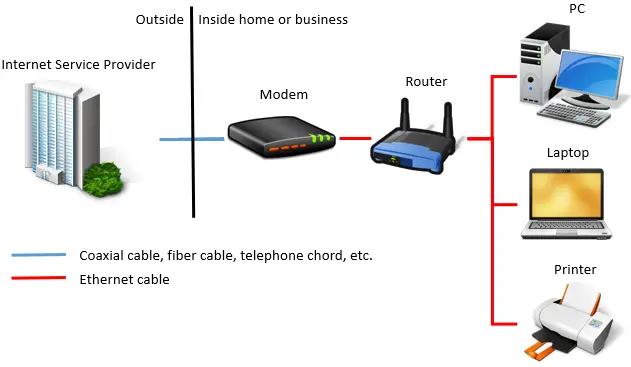
    Additionally, ethernet cables can be used for communication between computers and other devices such as printers and fax machines. They’re also used to connect your modem to your router (if they’re separate devices). To provide a visual of what a home network might look like:

    Home Network Ethernet Cable Diagram Example

    As you can see, ethernet cables can be used for a majority of the devices in your home.

    Why Should Ethernet Cables Be Used?

    Ethernet connections offer a more reliable connection than if you were to wirelessly connect your devices.

    Wireless connections (i.e. WiFi) are subject to interference that ethernet connections don’t experience (e.g. walls, other electronic devices using the same radio channel, etc.). In fact, your internet connection will be faster over ethernet than if you were to use a wireless connection.

    But only if you use the right cables.

    I know what you are thinking:

    What’s the big deal? It’s just a cable. How can it play such a big factor in my internet speed?

    How Can an Ethernet Cable Slow Your Internet Speed?

    As of this writing, ethernet cable speeds of up to 10 Gbps can be expected, while the newest versions of WiFi can only offer maximum speeds of 867 Mbps (802.11ac) and 150 Mbps (802.11n). That’s a significant difference.

    It’s important to note here that simply using ethernet cables will not result in 10 Gbps internet. You need to make sure you have the proper internet equipment in your home. You also need to make sure you’re getting sufficient bandwidth from your Internet Service Provider (ISP).

    The most important aspect of ethernet cables is you need to make sure they’re not the bottleneck of your network.

    What do I mean by this?

    What Is an Example That Will Help Me Visualize This?

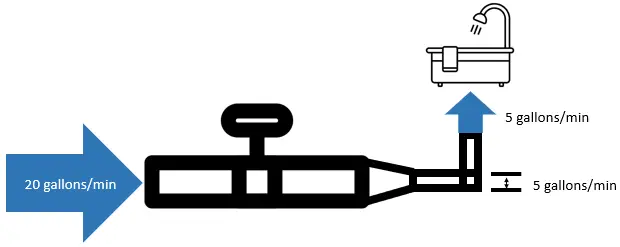
    Picture your home internet like a system of water pipes. If the water flow from the street is 20 gallons/minute but your pipes can only handle 5 gallons/minute of water, your shower will only receive 5 gallons/minute of water. The pipes in this example are your ethernet cables, and your shower is your device (laptop, smart TV, etc.)

    Perhaps a diagram will help you visualize this:

    Ethernet Cable Restricting Data Rate Example
    Pipes can restrict the flow of water

    The point here is that if you’re paying for gigabit internet (1 Gbps) but your ethernet cables can only support 10 Mbps, your device will only have access to 10 Mbps. You can’t force data through the cables faster than what they’re designed for.

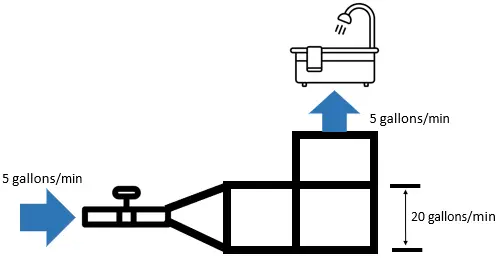
    Let’s use the water piping example again. If the flow of water from the street is 5 gallons/minute and your pipes are able to handle 20 gallons/minute of water flow, your shower will only have 5 gallons/minute of water flow.

    Ethernet Cable Not Increasing Data Rate Example
    Pipes don’t make the flow of water faster

    The pipes don’t increase the flow of water. If you want to optimize the flow of water to your shower, the pipes in your house need to be designed for the flow of water coming from the street.

    How Does This Apply to Ethernet Cables?

    The same is true for ethernet cables. You need to ensure they can support the bandwidth (i.e. speed) that’s being provided to you by the ISP. Ethernet cables don’t make your internet faster, but they sure can slow it down if the wrong cables are used.

    Make sense?

    In order to determine what speeds your ethernet cables need to support, you need to look at:

    • The speed of the internet plan that you’re signed up for
    • The bandwidth supported by delivery devices in your home network (e.g. modem and router)
    • The bandwidth needed for your devices to function properly (e.g. smart T.V., laptop, etc.)

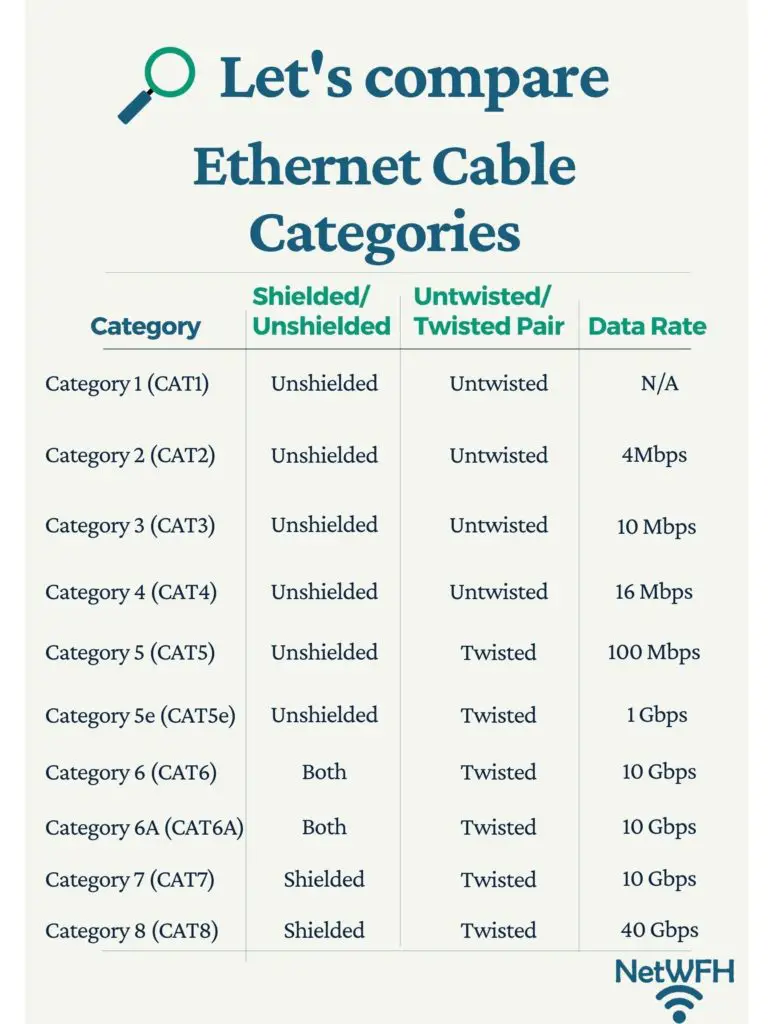
    I will make this process very easy for you, but first let’s take a look at the types of cables available:

    Ethernet Cable Category Comparison

    Types of Ethernet Cables

    There are multiple categories of ethernet cables. Some categories are no longer used and as a result I’ll only go over them briefly. The categories you should pay attention to are the ones that are in use today, and the ones that will be used in the future.

    Let’s get started:

    Category 1 (CAT1)

    CAT1 ethernet cables are no longer used. They were previously installed in analog telephone wire installations prior to 1983. At the time, they were only designed to carry voice communications. This makes them unusable in computer networking applications.

    What’s more, the organizations that establish the standards for the ethernet cable categories (TIA/EIA) do not officially recognize CAT1 cables.

    Should I Use CAT1 Cables in My Network?

    No. This above background is merely for your information. You will not need to use CAT1 cables in your internet network. In fact, I will be shocked if you come across CAT1 ethernet cables in your travels.

    Category 2 (CAT2)

    CAT2 ethernet cables are an improvement over CAT1 cables, but only marginally.

    Unlike CAT1 ethernet cables, CAT2 cables are designed for computer networking and digital voice communication. The bad news is they support very low speeds (up to 4 Mbps) for computer communication. This is molasses in today’s world.

    Similar to CAT1 cables, the TIA/EIA did not establish standards for CAT2 cables as an official ethernet category.

    Should I Use CAT2 Cables in My Network?

    No. As you can guess, these cables are no longer used for networking. However, you may still be able to find them in some (really) old telephone systems today.

    Category 3 (CAT3)

    CAT3 cables were introduced in the early 1990s and were widely used in local area networks (LANs). In simpler terms, CAT3 cables were used to connect computers and devices to allow for communication between them.

    They enabled data transmission rates up to 10 Mbps, which was more than double what CAT2 cables could provide. The speed of CAT3 cables was a big improvement at the time, but their dominance was short lived; in the mid 1990s superior cables were developed and CAT3 cables were replaced.

    CAT3 cables are recognized by TIA/EIA as an official ethernet cable category. They were the first category of ethernet cable that the group developed standards for.

    Should I Use CAT3 Cables in My Network?

    No. Although these cables were improvements over the ones that came before them, you won’t see them in use today. 10 Mbps won’t support the speeds required in today’s world.

    Category 4 (CAT4)

    Although category 4 cables were developed for computer communications, they ended up being used more in telecom-based communications.

    They supported faster speeds than CAT3 cables (up to 16 Mbps) but never gained traction in the computer networking world. As a result, you’ll only find them in very old communications systems that haven’t been recently upgraded.

    Although CAT3 cables were recognized by TIA/EIA as an official category of ethernet cables, CAT4 cables were not.

    Should I Use CAT4 Cables in My Network?

    No. You’ll very likely never cross paths with CAT4 cables, and there are much better options available to you. Even if they were widely used, you wouldn’t want to use them because you’ll need data rates faster than 16 Mbps.

    Category 5 (CAT5)

    When CAT5 cables were developed, they were a huge upgrade over previous ethernet cables. They support speeds up to 100 Mbps. This was a huge upgrade in performance at the time.

    Unlike CAT4 cables, they were widely used for computer communication in the 1990s. They were developed for telephone and video signals as well, but they were mostly used for computer networks.

    TIA/EIA recognized CAT5 cables as an official category, although they published a newer CAT5 standard in 2001.

    Should I Use CAT5 Cables in My Network?

    Most likely not. As I’m sure you can guess, better performing ethernet cables have been developed and CAT5 cables have mostly been replaced as a result. Although 100 Mbps isn’t horrible, you can find cheap alternatives that provide significantly higher performance. I would advise you to use better cables in your network.

    Category 5e (CAT5e)

    As mentioned in the previous section, the CAT5e standard was developed in 2001 to provide improvements to CAT5 cables. This category of cable provides performance improvements over CAT5 cables, as well as faster data rates. CAT5 cables had issues with crosstalk, which is caused by the alignment of the wires within the ethernet cable. Crosstalk was minimized by twisting the wire pairs within the cables, which we’ll get to later.

    CAT5e cables enable data rates of up to 1,000 Mbps (1 Gbps).

    Should I Use CAT5e Cables in My Network?

    Yes. Now we’re talking. 1,000 Mbps is a sufficient data rate for many home networks, even if you have fiber internet. This is widely used in many businesses and home internet setups, and will be a good option for most people. I use CAT5e cables in my home network, as well as CAT6 cables (read on!).

    Category 6 (CAT6)

    CAT6 ethernet cables take CAT5e cables to another level. Similar to CAT5e cables they’re assembled to minimize any crosstalk interference that may occur by twisting the cable pairs. To further reduce interference, CAT6 ethernet cables have two mechanisms for providing additional insulation to the cables:

    • Including an insulating spline in the center of the cable to further separate each individual wire
    • Providing foil shielding for each individual pair of twisted wires in the cable

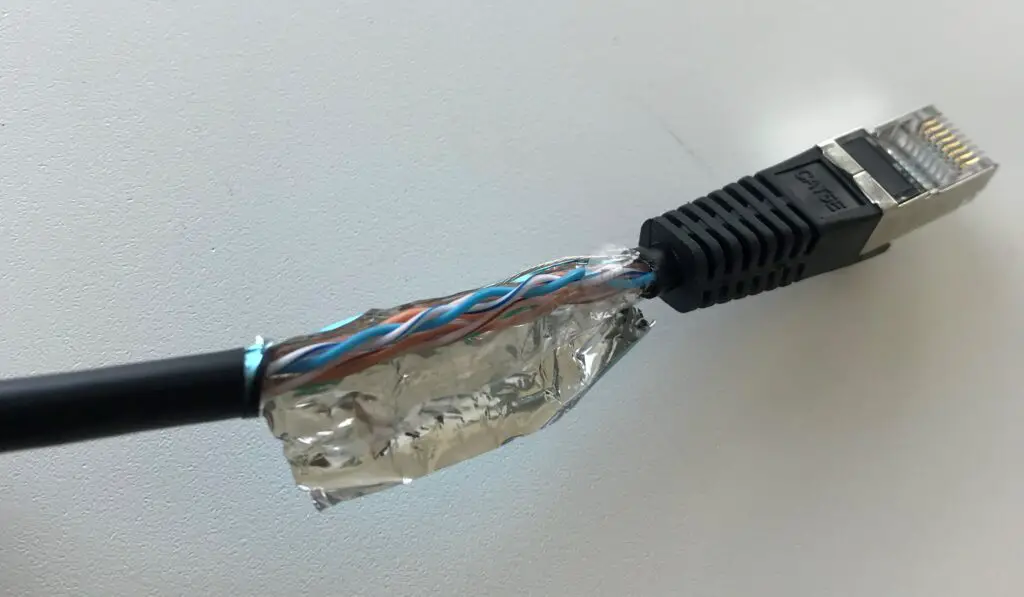
    Here’s a picture of the shielding inside a CAT6 cable:

    Shielded ethernet cable inside

    Category 6 cables are rated for speeds up to 10 Gbps at short distances, so they’re faster than CAT5 cables as well.

    Many datacenters, government websites, and hospitals utilize CAT6 cables as a result of their massive data transfer needs.

    TIA/EIA has developed the standards for CAT6 cables and recognize it as an official category of ethernet cable.

    Should I Use CAT6 Cables in My Network?

    Yes. CAT6 cables enable data speeds that’re most likely more than what you’d need at home. That being said, they’re not extremely expensive. They will allow you to “future proof” your internet because internet speeds will continue to increase in the future and you know you won’t have to replace your ethernet cables when that happens. I have some CAT6 cables in my home network for this reason.

    In short, you can’t go wrong using these cables for your network as long as you are willing to spend some extra money for them.

    Category 6A (CAT6A)

    CAT6A cables take CAT6 cables a step further. The “A” in CAT6A stands for “augmented” as they’re an improvement over CAT6 cables. The differences between CAT6 and CAT6A are as follows:

    • CAT6A cables support the same data rates as CAT6 (up to 10 Gbps), but over longer distances (up to 100 meters). CAT6 cables support 10 Gbps up to 55 meters.
    • CAT6A cables are built to tighter specifications than CAT6 cables. This further prevents potential crosstalk in the wires.
    • CAT6A cables are thicker than CAT6 cables, which makes them less flexible. Less flexible cables makes it harder to install them in tight spaces (like offices). It also makes CAT6A cables more expensive to install than CAT6 cables.

    TIA/EIA revised the CAT6 cable standard in 2008, leading to the introduction of CAT6A.

    Should I Use CAT6a Cables in My Network?

    Most likely not. If you’re setting up a home network or small office, CAT6A will probably be overkill. In most recreational cases you won’t need ethernet cables longer than 55 meters.

    This is the reason why I use CAT6 cables in my home network and not CAT6A; I only need about 10 feet of ethernet cable and CAT6 cable supports the same data rates. There was no reason for me to spend the extra money on CAT6A cables.

    Category 7 (CAT7)

    You may think that Category 7 cables are an improvement over CAT6A cables, but it’s actually the opposite. The standard for CAT7 cables was developed in 2002 (before CAT6A standards were established).

    CAT7 cables were developed as a standard by a group of companies, and not by TIA/EIA like most other cables. As a result, there are several differences between CAT7 cables and CAT6:

    • These cables don’t use the traditional RJ45 connector that most other cables use. CAT7 cables use the GG45 connector which isn’t backwards compatible with RJ45 connectors
    • They have stricter specification requirements for limiting crosstalk
    • They enable the same data rates as CAT6 cables (up to 10 Gbps) but for up to 100 meters

    The IT industry didn’t widely adopt CAT7 cables because of their GG45 connectors. The TIA/EIA developed CAT6A standards to account for this.

    What is an RJ45 Connector?
    For your reference, this is what an RJ45 connector looks like:

    Ethernet Cable with RJ45 Connector
    RJ45 Connector

    CAT6A cables provided the same performance specifications as CAT7 cables but they used RJ45 connectors. In addition, the IT community felt more comfortable with CAT6A cables because TIA/EIA signed off on them as an approved ethernet cable standard. As a result CAT6A cables were widely adopted and CAT7 cables were not.

    Should I Use CAT7 Cables in My Network?

    No. Don’t let the fact the fact that CAT7 seems better or newer than CAT6A fool you. If you need high data rates in your network over a long distance (up to 100 meters), go with CAT6A cables. You’ll want the same connector on all your ethernet cables for simplicity.

    That being said, CAT6A/CAT7 specifications will be overkill in most applications.

    Category 8 (CAT8)

    CAT8 cables enable the fastest data rates. They can support speeds up to 40 Gbps for up to 30 meters. Although they’re faster than all other cables, they support data rates over shorter distances.

    They’re an IEEE standard (not TIA/EIA) that uses RJ45 connectors like most other cables. They’re designed for use in datacenters as a result of the data rates they support. The cables are configured to almost eliminate crosstalk. Their configuration makes them the hardest to install in tight spaces because they aren’t flexible.

    Should I Use CAT8 Cables in My Network?

    No, unless you’re looking to configure a data center. CAT8 cables are mostly used between switches in datacenters, which can’t afford interference. This type of cable won’t be your best choice in any other application.

    Ethernet Cable Configurations

    When looking to buy ethernet cables, you’ll most likely see the terms “twisted pair”, “untwisted pair”, “shielded”, and “unshielded”. It’s important to know the differences between the performance of these configurations.

    Untwisted Pair Cable

    In all ethernet cables used today (CAT5 and above), the wires in an ethernet cable are twisted. This helps reduce interference between the wires in the cable. Each wire has electricity running through it, which creates a magnetic field in the cable and can interrupt the electric signals in the other wires next to it.

    To visualize this, look at the image below. In an untwisted pair configuration, the pairs of wires blue-white, orange-white, etc. wouldn’t be twisted together. They would simply be side-by-side within the cable.

    You won’t see untwisted cables used today so this is just for informational purposes.

    Twisted Pair Cable

    In twisted pair cables, each pair of wires in an ethernet cable is twisted. This is what it looks like inside the cable:

    Picture of an Unshielded Twisted Pair Ethernet Cable (with sheath removed)
    Unshielded Twisted Pair Ethernet Cable (sheath removed)

    As you can see, the pairs of orange-white, green-white, brown-white, and blue-white are twisted within the ethernet cable.

    Twisted pair cables will experience less crosstalk interference and therefore better performance. The twists in the wire pairs ensure that the electromagnetic forces in the twisted wires don’t affect the other pairs in the cable.

    Any ethernet cable you purchase today will be twisted pair assuming it’s CAT5 or above.

    When it comes to twisted pair cables, there are 2 types: shielded twisted pair (STP) and unshielded twisted pair (UTP)

    Shielded Twisted Pair (STP) Cable

    Some ethernet cables have a layer of foil wrapped around all the pairs of cables inside it. Looking at the picture above, you can see a foil wrapper around all the twisted pairs.

    The purpose of the shield is to prevent interference from the electric fields of nearby electronic devices (or the other wires in the cable). This will improve performance, but it comes with a few drawbacks:

    • It’s more expensive than unshielded cable
    • It’s less flexible than shielded cable
    • If there are no other electronic devices around causing interference, it’s slower than unshielded cable

    Shielded cables are best used in datacenters and other applications where they’ll be close to other electronic devices or cables.

    Unshielded Twisted Pair (UTP) Cable

    Ethernet cables that are unshielded do not have foil around the pairs of twisted wires.

    Picture of Unshielded CAT5e Cable
    Unshielded CAT5e Cable

    As you can see, there are only twisted pairs of wires in the sheath.

    In contrast to shielded cables, unshielded cables:

    • Are cheaper
    • Are more flexible
    • Can be faster than shielded cables if there is no nearby electronic interference

    In most home applications and offices (outside of the server room/datacenter), you’ll probably be fine with unshielded cables.

    How Do I Know What Ethernet Cable I Have?

    It’s impossible to tell what kind of cables you have just by looking at their appearance.

    For example, look at this picture:

    CAT5e vs. CAT6 Ethernet Cable Side-by-side Comparison
    CAT5e vs. CAT6 Ethernet Cable

    One of the cables is CAT5e and the other is CAT6. Can you tell which one is which?

    The answer is no.

    Thankfully, the ethernet cables have labels printed on their side to help identify them.

    CAT5e Cable Labeling
    CAT5e Cable Labeling

    As you can see, the above cable is a CAT5e cable. What’s more, you can see that the wires inside the cable are unshielded twisted pairs (UTP).

    I recommend you double check all the ethernet cables in your network so you know what you have. This will give you an idea of what you need to replace as well.

    Does Ethernet Cable Length Affect Internet Speed?

    Most of the time, the answer is no.

    In most cases you won’t experience any loss in speed or reliability based upon the length of ethernet cable you get. You’ll only have to worry about this if you are installing a network in a large office building where cables are longer than 100 meters.

    This application is not the case for the majority of people. If you’re looking to install longer runs of cable, it’ll be best to use CAT6A cables (if they fit your data rate requirements).

    What Ethernet Cables Should I Get?

    My advice with ethernet cables would be to air on the side of caution.

    For example if you have a home internet plan with the following:

    • 100 Mbps from the internet service provider
    • A modem rated for 100 Mbps (or greater)
    • A router rated for 100 Mbps (or greater)
    • You’ll only need shorter ethernet cables for your setup (less than 55 meters)

    You should get either CAT5e or CAT6 cables.

    Could CAT5 cables provide you with the speed you need? Most likely.

    Would they allow you to upgrade your internet plan at any time as they get faster and cheaper? No.
    If you have a fiber internet plan with the following:

    • 1,000 Mbps from the internet service provider
    • A modem rated for 1,000 Mbps (or greater)
    • A router rated for 1,000 Mbps (or greater)
    • You will only need shorter ethernet cables for your setup (less than 55 meters)

    You should get either CAT5e or CAT6 cables.

    CAT5e and CAT6 cables are pretty cheap compared to your internet plan. You should make sure you build in room to upgrade your internet without having to buy new cables as well.

    This’ll ensure that your often-overlooked ethernet cables aren’t the bottleneck of your internet connection. Let other people deal with that problem.

    If you’re looking to buy ethernet cables, I’d recommend these Cat5e cables, or these Cat6 cables. You can get them in a variety of lengths and colors depending upon your home internet setup.

    Wrap Up

    As always, feel free to reach out to me via the Contact Me page or the comments section below if you have any questions or you would like to share your experience.

    If you would like to learn more about how other aspects of your home network could affect your internet speed, check out our other posts on this topic:

    Does Your Modem Affect Your Internet Speed?

    Does a Router Affect Your WiFi Speed?

    Is an Ethernet Cable Faster than WiFi?

    Does an Old Computer Affect Your Internet Speed?

    Does Ethernet Cable Length Affect Network Speed?