Author: Ross Ricky

  • What Speed Can My Router Handle? What You Need to Look At

    What Speed Can My Router Handle? What You Need to Look At

    What speed can my router handle title page

    If you’re not careful, your router can limit the internet speed of your home network.

    You might be wondering how this is even possible.

    A router can limit the speed of a network if it isn’t made to support the speed of the internet plan in place.

    In order to make this determination in your home network, you need to know what speed your router supports. So how do you go about finding this out?

    Fortunately, there are a few different sources you can go to.

    The best way to find out what speed a router supports is to refer to the router’s technical specifications. This information is usually provided on the datasheet that comes with the router (or on the box it comes in). Alternatively, the datasheet can usually be found online on the vendor’s website.

    In this article, I’ll walk through the different ways you can find out what internet speed your router supports. I’ll also talk about how the speed your router can handle will affect the rest of your network.

    Let’s get started.

    How to Find Out What Speed Your Router Supports

    Before we dive into the different ways you can find out what speed your router supports, let’s make sure we’re on the same page about what we’re referring to.

    When we talk about speed in this context, what we’re really referring to is the amount of data a router can process in a given period of time. Another term for what I’m describing is bandwidth.

    Speed and bandwidth are not the same thing, even though these two terms are often used interchangeably.

    So when referring to the “speed” a router can handle, we’re actually talking about how much data it can handle at once, i.e. its bandwidth. We’re not really talking about how fast it can process the data it receives, or its speed.

    A common analogy for the difference between these two terms is a water pipe. How wide the pipe is determines how much water can flow through it at once. This is the bandwidth of the pipe.

    How fast the water is flowing through the pipe (regardless of how wide it is) is it’s speed.
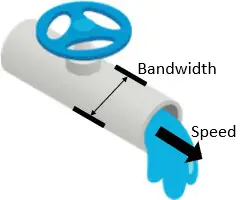
    Bandwidth and speed diagram

    The reason I’m making this distinction is because it’ll help you understand how a router’s bandwidth can affect the rest of your network. We’ll get more into that later.

    For now, let’s talk about the different ways you can determine the maximum bandwidth your router can support.

    Finding the Speed a Router Supports by Looking at the Router’s Datasheet

    To determine the bandwidth your router can support, you need to look at the technical specifications of the device.

    Ok, I know this isn’t totally helpful.

    So where can these technical specifications be found?

    The easiest method of finding this information is by looking at the resources that came with your router when you bought it.

    Specifically, I’m referring to the datasheet and box your router came in.

    The box that your router comes in will usually have a “Specifications” or “Features” header that details the bandwidth the router can support. This information is usually listed on the front of the box as well, as this is one of the most important marketing materials for routers.

    Additionally, there may be a datasheet included with the router and the other components inside the box. This datasheet will list:

    • The bandwidth the router supports
    • The WiFi standard the router supports
    • Important features that come with the device
    • Various other hardware and software specifications of the router

    If you have either the box or the datasheet for your router, it shouldn’t be hard to find the bandwidth information you need. Router manufacturers generally aren’t shy about touting the bandwidth their devices can support.

    Now I know what most of you are thinking.

    It’s definitely a longshot that you still have these materials. Most people get rid of the router’s box and documentation as soon as they open it and get it working.

    On top of that, if you’re renting a router from your internet service provider, they may not provide you with any of these things.

    So in the case where you no longer have these items (or never got them), all’s not lost. There’s an alternate method for finding this information. We’ll go over this method in the next section.

    If you do happen to still have these resources, congratulations to you. You have everything you need at your fingertips.

    Finding the Speed a Router Supports by Using Online Resources

    As I mentioned, if you don’t have any of the physical references that come with your router, there’s another path you can take.

    Essentially, you just need to look up this information electronically.

    This all starts with identifying the make and model of your router.

    If you already know the make and model of your router, you should be in good shape to move forward. If you don’t, you’ll need to go through a few additional steps.

    In case you’re unsure what the make and model of your router is, I’ve previously written an article on this topic that provides a step-by-step procedure you can follow.

    Ok, now that you have the make and model of your router, let’s move forward.

    The general process we’ll be following here includes going to the router manufacturer’s website. Most manufacturers will have support pages and electronic documentation for the devices they sell.

    We can use my router as an example for how to do this.

    I have a router made by TP-Link. The model of my router is: Archer A7.

    Using this information, we can open an internet browser and type “TP-Link Archer A7 datasheet” into Google.

    In general, the vendor’s support page for the device will usually be one of the top search results. As you can see, in my case it’s the first result.
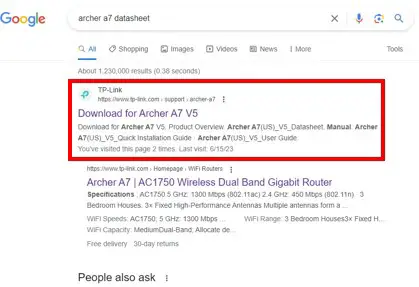
    TP-Link Archer A7 Search Results
    Google and the Google logo are trademarks of Google LLC.

    In navigating to the TP-Link website, front and center we see resources available for my device that’re available for download:
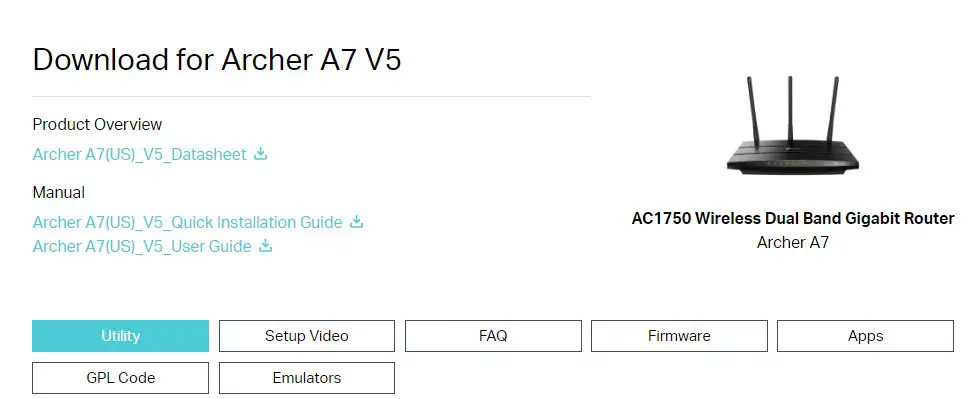
    Download resources available for TP-Link Archer A7 router

    From the available references, it should be obvious what we’re looking for here. We need to download the Archer A7 datasheet.
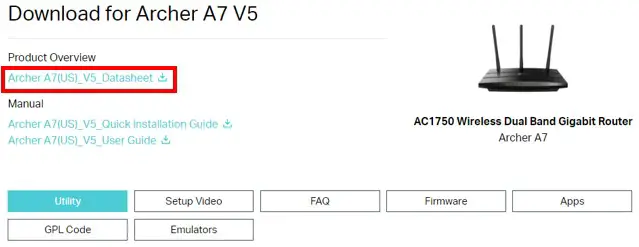
    Archer A7 Router Datasheet Download

    Once the datasheet is downloaded and I open it up, I get smacked in the face with what we’re looking for. The bandwidth the router supports is front and center on the first page of the datasheet.
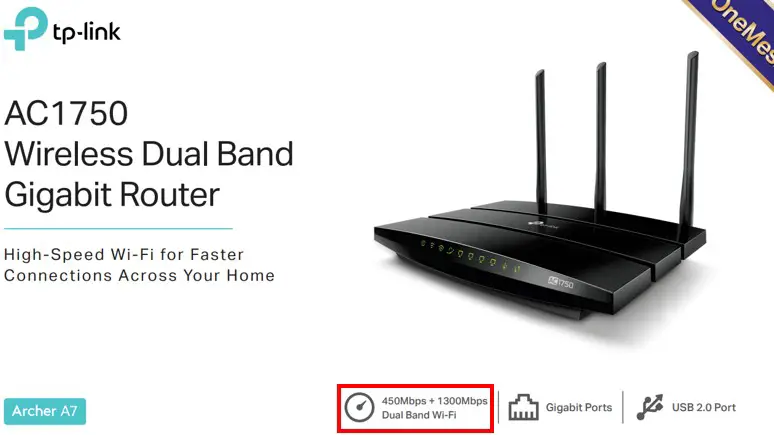
    TP-Link Archer A7 supported bandwidth on data sheet

    See? I told you router manufacturer’s aren’t shy about highlighting their router’s capabilities.

    From this information, we can tell that my router supports bandwidths of 450 and 1,300 Megabits per second (Mbps).

    Why are there two different numbers?

    That’s because the router is a dual band router. This means that the router will broadcast two different wireless networks (2.4 GHz and 5 GHz).

    Without getting too much in the weeds here, this means that the 2.4 GHz network can support up to 450 Mbps of bandwidth, while the faster (but shorter range) 5 GHz network can support a bandwidth of up to 1,300 Mbps.

    In cases where your router is dual band (which is the case for all modern routers), it’s a good rule of thumb to use the bandwidth supported by the 2.4 GHz network when planning your home network.

    So in using the datasheet for my router, I can say that my router can support bandwidth up to 450 Mbps. To put it another way, my router can handle an internet “speed” of 450 Mbps.

    How Does the Speed a Router Can Support Affect My Network?

    After determining the bandwidth your router can support, the next logical question is what this means for your network.

    The maximum allowable bandwidth for your router will allow you to perform an assessment of your home network.

    For one, you should make sure your current internet plan isn’t providing more bandwidth than your router can support.

    If you have an internet plan that provides your home network with more bandwidth than your router can handle, your router will limit the performance of your entire network.

    In other words, you should make sure your router can support more bandwidth than what your internet plan can handle. Otherwise it’ll be a bottleneck for your network.

    Let’s go back to my situation to provide an example of this.

    If my router supports bandwidth up to 450 Mbps, and my internet plan provides 800 Mbps, the fastest my home network could operate at would be 450 Mbps. In this case, my router is preventing my home network from getting the most out of my internet plan.
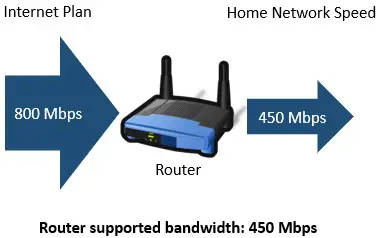
    Router supports less bandwidth than internet plan provides

    On the other hand, if my internet plan was providing speeds of 200 Mbps, my network wouldn’t be limited by my router.
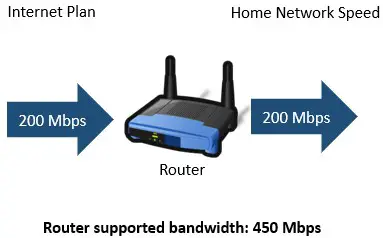
    Router supports more bandwidth than internet plan

    The takeaway here is that you should always make sure your router can support your internet plan.

    Otherwise, what’s the point of paying for an expensive internet plan if you won’t be able to use all the bandwidth it’s providing?

    This is the reason why knowing the bandwidth your router can handle is so important. You need to make sure it’s not limiting the speed of your network.

    Wrap Up

    Now you’re equipped with what you need to assess if your current router is a good fit for your current internet plan. If it’s not, you can either upgrade your router, or you can reduce the internet plan you’re paying for.

    In any case, you should now be able to make smarter decisions about your home network, so congratulations to you for taking the time to learn about this. Your home network (and wallet) thanks you.

    If you have any questions about this information, please drop a comment below. If you found this article helpful, here are some others that might be useful as well:

    What Router Do I Have? How to Find Out

    Does a Router Affect Your WiFi Speed?

    How to Connect a Computer to a Router
    Can I Use a Router Without a Modem?

    Can I Move My WiFi Router to Another House?

  • Does a Modem Need to Be Connected to a Router? What to Know

    Does a Modem Need to Be Connected to a Router? What to Know

    Does Modem Need to Be Connected to Router Title Picture

    A modem and router are essential to providing an internet connection to a home network.

    Knowing what you need in a home network is the easy part. The real challenge is actually setting up these devices and configuring your home network.

    On that topic, one question that often arises is if a modem and router need to be connected to each other.

    The good news is I can help you out here.

    So the question remains: does a modem have to be connected to a router, or do these devices operate independently of each other?

    In a home network, a standalone modem always needs to be connected to a router. A modem and router need to be connected in order to provide a usable internet connection to the network. If a modem and router are not connected, the devices on the home network will not be able to access the internet.

    In this post, I’ll explain why a modem and router need to be connected. I’ll also talk about how to connect a modem and router to each other.

    Why Does a Modem Need to Be Connected to a Router?

    When reflecting on your modem and router (as I have spent countless hours doing), it’s best to think of them as teammates.

    I say this because both devices need each other in order to provide the maximum benefit to the network they’re in.

    Sure, it’s possible to have a router in your home network without a modem, but in doing so you won’t be able to get the most out of your router. You’ll need a modem as well if you want to achieve that.

    As an aside, if you’d like to learn more about what you can do if you only have a router in your home network, I’ve previously written an article on that topic that you should check out.

    As I was saying, you need both a modem and router working in tandem if you want to provide maximum benefit to your network.

    Taking it once step further, you not only need both devices in your network, but you need them to be connected to each other as well.

    The basic concept you need to understand here is that a modem and router are responsible for different functions in a home network, and they need to leverage each other’s capabilities to provide an internet connection.

    A modem is responsible for establishing and maintaining an internet connection with an internet service provider (ISP). A router, meanwhile, is responsible for taking that internet connection from the modem and making it available to all the devices on a given network.

    Without a modem, there’s no internet connection being delivered to the network. Without a router, the internet connection provided by an ISP isn’t accessible by the devices on the network.

    See how that works?

    Now let’s talk about what happens when there’s a modem and router in a network.

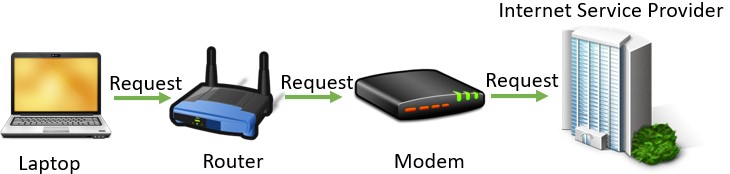
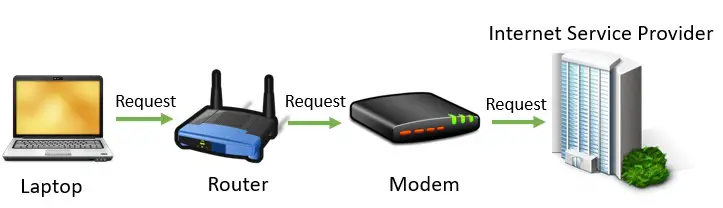
    Any internet request made from a device on a network is first sent to the router. The router then passes this request to the modem so it can be sent out to the broader internet.

    Internet request diagram
    The path of an internet request made on a home network

    This communication process happens constantly when devices on the network access the internet.

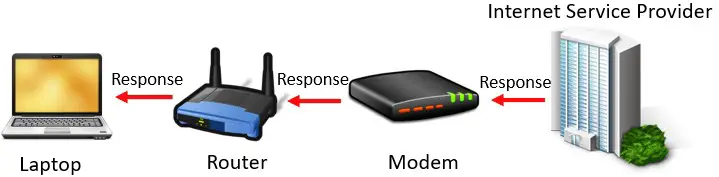
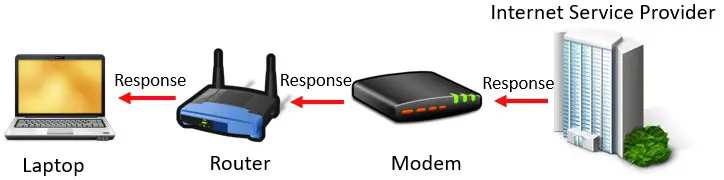
    In fact, after a request is sent to the internet, the same process occurs when a response from an internet request is returned from the internet. The only difference is the response is passed to devices in the home network in the opposite order:

    Interne response diagram
    The path of an internet response on a home network

    Due to this dynamic, a modem and router are constantly handing data to each other. They’re in constant communication when devices are accessing the internet.

    Think about how often this is happening if there are multiple devices on a network accessing the internet at the same time. That should give you an idea why I referred to a modem and router as teammates earlier.

    If a modem and router didn’t work well together, it would really slow down a home network.

    This is another reason why a modem and router need to be connected to each other.

    To summarize, a modem and router need to be connected in order to:

    • Provide an available internet connection to the devices on a home network
    • Process all requests being sent to (and received from) the internet in a timely manner

    How Is a Modem Connected to a Router?

    Ok, we’ve established why a modem and router need to be connected to each other.

    The question is, how are a modem and router connected?

    The answer to this question is pretty easy, because there’s only one way to do it.

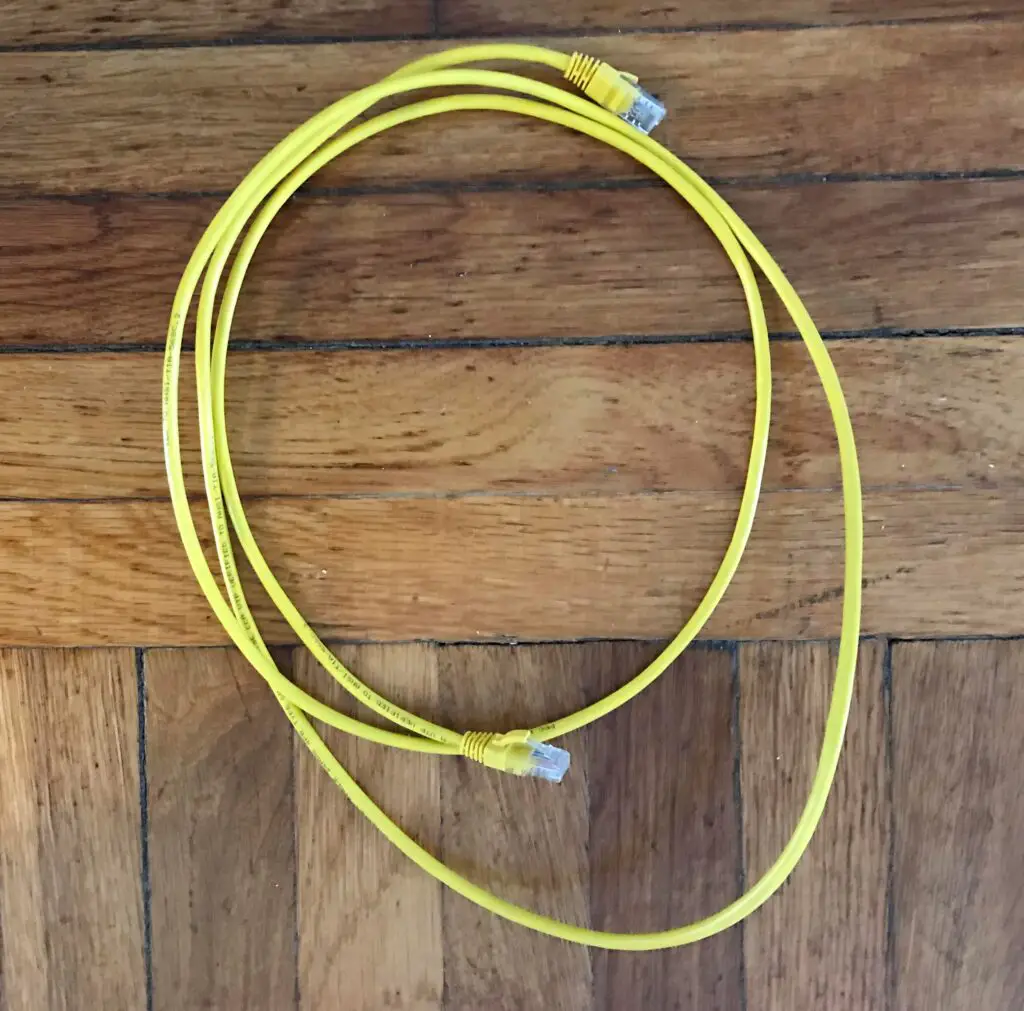
    A modem and router can only be connected with an ethernet cable. If you’re not sure what an ethernet cable looks like, here’s one for reference:

    Coiled Ethernet cable
    An example of an ethernet cable

    So that’s the first thing you need to do here. Make sure you have an ethernet cable to connect your modem and router. I’d suggest buying either a Cat 5e or Cat 6 cable if you don’t currently have one.

    Alright, now that you have an ethernet cable in hand, let’s go over where it needs to be connected on each device.

    We’ll start with a modem.

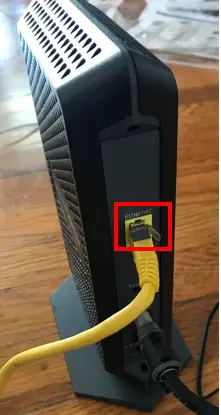
    This’ll be really easy to accomplish, because your modem will only have one ethernet port. Chances are, it’ll be labeled “Ethernet” as well, so it’s be impossible to miss.

    Here’s what the ethernet port looks like on my modem:

    Modem ethernet port
    The ethernet port on a modem

    Ok, now that the modem’s taken care of, let’s turn our focus to the router.

    You need to pay a little more attention when connecting an ethernet cable to a router. That’s because there’s more than one ethernet cable to connect to.

    In fact, there’s usually at least five of them on a router. To find out what each of these ethernet ports does on a router, check out the post I wrote that breaks this all down.

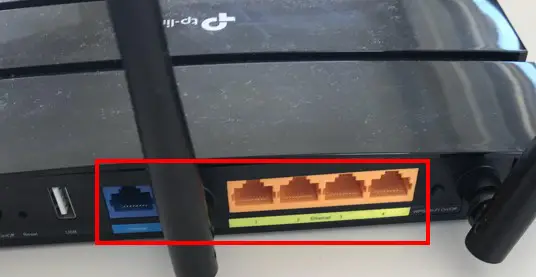
    The ethernet port you’re looking for on a router is called the WAN port (or internet port). This port is usually separate from all the others on the router.

    Does any of these ethernet ports stand out from the rest?

    Router ethernet ports
    Ethernet ports on a router

    The blue ethernet port is clearly different from the other ethernet ports. This is done intentionally.

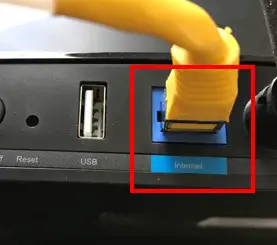
    On top of that, the WAN port on a router is usually labeled with something like “Internet” or “WAN”. This’ll help you further differentiate the port that you need to connect the ethernet cable to.

    Router WAN port
    The WAN port on a router

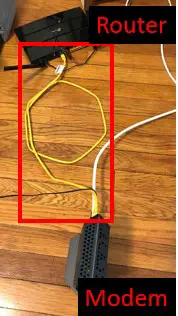
    Once your modem and router are connected to each other with an ethernet cable, that’s all you need to do.

    Modem and router connected with ethernet cable
    A modem and router connected with an ethernet cable

    The devices will handle the rest of the communication from there.

    When Does a Modem Not Need to Be Connected to a Router With an Ethernet Cable?
    There are only two scenarios when you won’t need to connect your modem and router with an ethernet cable.

    I mentioned the first scenario earlier when talking about how a modem and router are both needed to get the best of both devices.

    If you don’t need a connection to the internet, you can use a router without a modem. In this case, you don’t need to connect anything to the WAN port on the router. You won’t need a modem in your home network.

    You just need to accept the fact that you won’t be able to access the internet. For many people, that’s not easy to do.

    Ok, is there a scenario where you have internet access but you don’t have to connect a modem and router?

    As a matter of fact, there is.

    This is possible if your modem and router come connected to each other when you buy them.

    How’s this possible, you may ask?

    This is accomplished by buying a modem and router combination device.

    A modem and router combination device is a singular device that handles the functionality of both a modem and router.

    With a modem and router combination device, you only need one device to stand up internet in your home.

    As a result, you won’t need to connect your modem and router. They’ll already be connected to each other within the device itself.

    If you’d like to learn about how modem and router combination devices work, I’ve written a post on this topic that might be helpful.

    Wrap Up

    That just about does it.

    If you have a standalone modem and router in your home network, you’ll need to connect the devices with an ethernet cable if you want to access the internet. There’s no way around it.

    If you have any questions about what I talked about in the article above, please leave a comment below.

    To learn more about similar topics, check out some relevant articles I’ve previously written:

    Can I Use a Router Without a Modem?
    Router Ethernet Ports: Everything You Need to Know

    What is a Modem Router Combo?

    Should Your Router and Modem Be Close Together?

    Are All Routers Compatible With All Modems?

  • How Many Ethernet Ports Are on a Modem? A Complete Analysis

    How Many Ethernet Ports Are on a Modem? A Complete Analysis

    How many ethernet ports on a modem title picture

    It goes without saying your modem is an important device in your home network. As a result, you need to know how to set it up and use it correctly.

    When it comes to connecting a modem to the rest of your home network, this is accomplished by utilizing an ethernet port.

    The question is: how many ethernet ports does a modem have, and how do you know what to connect your modem to?

    In most cases, a standalone modem has one ethernet port. This ethernet port is used to connect the modem to an internet router. Modem router combo devices will generally have four ethernet ports. These ethernet ports are meant to provide devices with wired connections to the network.

    In this post, I’ll break down the ethernet ports you can expect to find on different modem devices. I’ll also dive into why different modem devices have different numbers of ethernet ports.

    How Many Ethernet Ports Are on a Modem?

    Asking how many ethernet ports are on a modem is a bit of a loaded question.

    That’s because the answer is largely “it depends”.

    What exactly do I mean by this?

    I mean that there are two different types of modem devices that you’re likely to find in a home network.

    Depending upon the type of modem device you’re referring to, the answer will be different.

    The two different types of modem devices I’m referring to here are standalone modems and modem router combo devices.

    I’m sure you’ve seen both types of these modem devices in your travels, but let’s make sure we’re on the same page here.

    A standalone modem is a modem that’s a physically separate device from the internet router on the network. To say it another way, if the modem and router are two different devices on a network, the modem is a standalone modem.

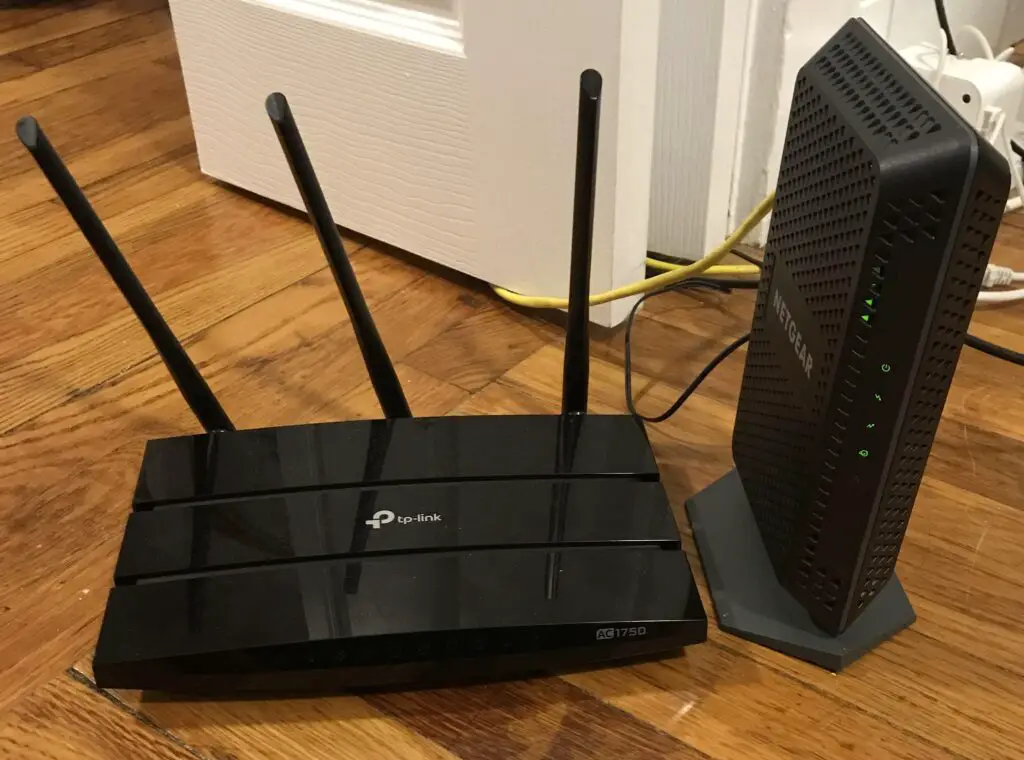
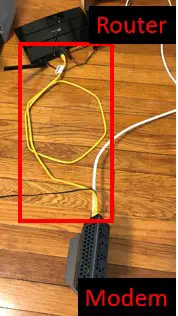
    I have a standalone modem in my network. As you can see, my modem and router are different devices.

    Standalone modem and router
    I have a standalone router (L) and modem (R) in my home network

    Modem and router combo devices on the other hand, are quite the opposite.

    In a modem router combo device, a modem and router are combined into the same device. In these situations, there’ll be one device providing the internet connection to a home instead of two.

    Modem router combos are often the devices provided by an internet service provider (ISP) if you elect to rent your modem and router from them.

    For reference, here’s an example of what a modem router combo device looks like:

    modem router combo front

    If you’d like to learn more about modem router combo devices, check out the post I’ve written that goes into detail about what they are and how they work.

    Now that we have a clear understanding of the two different types of modem devices we’re talking about, let’s break down how many ethernet ports each type has.

    How Many Ethernet Ports a Standalone Modem Has

    When it comes to standalone modems, the ethernet port situation is pretty straightforward.

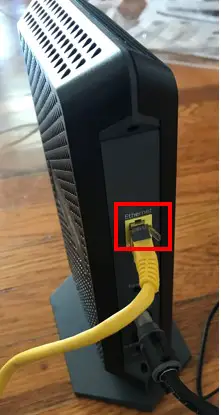
    Standalone modems only have one ethernet port.

    Router ethernet port

    This might not sound like a lot, but it’s all that the modem needs. That’s because the ethernet port on a standalone modem has one purpose.

    It’s meant to connect the modem with the standalone internet router in the network. These devices are connected with an ethernet cable.

    Modem and router connection
    A standalone modem is connected to a standalone router with an ethernet cable

    Connecting a standalone modem with an internet router provides a network with internet access. If the modem and router aren’t connected, the network won’t have internet.

    The reason for this is because the standalone modem establishes an internet connection with an internet service provider (ISP). This internet connection can’t be used by the devices on a network unless that internet connection is shared with a router in the home network.

    That’s why the modem and router need to be connected. They need to be able to communicate with each other to provide the network with internet access.

    It’s important to note that the only device connecting to a modem’s ethernet port should be an internet router.

    I can’t stress this enough.

    If a computer or other connected device is directly connected to a modem’s ethernet port, it’ll be unprotected from hackers on the internet.

    That’s why it’s essential to connect a router to the modem. Devices on the network can then connect to the router (over WiFi or through a wired ethernet connection). This configuration provides much more security to the devices on the network.

    This is also part of the reason why standalone modems only have one ethernet port. To ensure that no devices (other than a router) are directly connected to it.

    How Many Ethernet Ports a Modem Router Combo Has

    When talking about modem router combo devices, things are a little different when talking about ethernet ports.

    To cut to the chase, most modem router combo devices have four ethernet ports.

    Wait, what?

    Why does a standalone modem only have one ethernet port, but a modem router combo device has four?

    This is the cause for a lot of confusion when people ask about how many ethernet ports a modem has.

    To answer that question, we need to remember what modem router combo devices are.

    They’re a combination of a modem and router. In other words, they provide the functionality of a modem and a router in one device.

    Ok, so let’s review what the purpose of the ethernet port on a standalone modem is for.

    It’s meant to connect the modem to an internet router.

    The catch here is that in a modem router combo device, the two devices are already combined.

    So there’s no need for an ethernet port to connect the two devices, right?

    That’s exactly right.

    So why does the device have four ethernet ports?

    That’s because of the other half of the modem router combo device. I’m referring to the router side here.

    Router’s generally have four ethernet ports on them. In this sense, it’s logical that a modem router combo only has four ethernet ports.

    It has the four ethernet ports that’re generally provided by a router. The ethernet port that a standalone modem has isn’t needed because the modem is already connected to the router.

    In other words, a modem router combo device essentially has zero ethernet ports provided by the modem portion of the device, and four ethernet ports provided by the router portion of the device.

    If we’re directly comparing the total ethernet ports on a standalone modem and router to a modem router combo device, the breakdown is as follows:

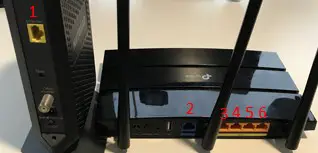
    • Standalone modem and standalone router: six total ethernet ports
      • One ethernet port on the standalone modem to connect to the router
      • One ethernet port on the standalone router to connect to the modem
      • Four ethernet ports on the standalone router so devices can connect to the router with a wired connection
    Standalone modem and router ethernet ports
    Standalone modem and routers will have six ethernet ports
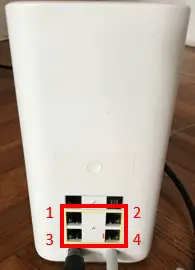
    • Modem and router combo device: four total ethernet ports
      • Four ethernet ports so devices can connect to the modem router combo with a wired connection
    Four ethernet ports on a modem router combo
    A modem router combo will have four ethernet ports

    Wrap Up

    At this point you should have an idea why there can be some confusion when talking about the ethernet ports on a modem.

    The answer will be different depending upon the type of device you’re talking about.

    If you have any questions about the information above, please drop a comment below.

    If you’d like to expand your knowledge and learn more about additional topics, here are some relevant posts I’ve previously written:

    What Are Modem Channels? How They Affect Network Speed

    Are All Routers Compatible With All Modems?

    What Modem Do I Have? How to Find Out

    Router Ethernet Ports: Everything You Need to Know

    Modem MAC Address: All Your Questions Answered

  • Does Your Router Assign IP Addresses? What You Should Know

    Does Your Router Assign IP Addresses? What You Should Know

    Every connected device on your home network is assigned an IP address. This IP address serves as an identifier that allows the device to communicate with other devices on the network, as well as the internet.

    The question is, how do your devices get assigned these IP addresses?

    Is it your router that’s responsible for the assignment of IP addresses in your home network, or does this happen another way?

    Routers are responsible for the assignment of IP addresses on a network. A router can assign IP addresses to devices automatically using Dynamic Host Configuration Protocol (DHCP), or by manually assigning static IP addresses to devices.

    In this post, I’ll break down everything you need to know about how IP addresses get assigned on your home network. I’ll also talk about the different ways IP addresses can be assigned to your devices.

    How Do IP Addresses Get Assigned to Devices?

    Let’s get straight to the point.

    In home networks, routers assign IP addresses to devices.

    We’ll start at a high level here before we dive into more detail.

    Devices are assigned an IP address when they first connect to a network (either wirelessly or with an ethernet cable).

    What’s interesting is that when a device connects to a network, it’s actually connecting to the router of that given network. That’s because the router is the device that’s responsible for creating and managing the network.

    Routers broadcast WiFi networks that allow devices to connect to them wirelessly. For any wired connections to the network, the device is connected directly to the router with an ethernet cable.

    This is why it makes sense for your router to assign IP addresses to the devices on a network. Router’s are the first to know about new devices that join the network, because any new devices are connecting directly to it.

    If a different device was responsible for assigning IP addresses, it would be a less efficient process. The device would have to communicate with your router to find out about any new devices on the network, then it would have to coordinate the assignment of the IP address to the device through your router.

    It’s faster, easier, and more logical to just have your router do it.

    How Do Routers Assign IP Addresses?

    Every time a device connects to a network for the first time, it gets assigned an IP address. The device needs to have an IP address assigned to it before it can talk to other devices on the network (or the internet), so this step is critical.

    This is where things get interesting.

    That’s because there are two different methods that routers can use to assign IP addresses.

    IP addresses can be assigned automatically through Dynamic Host Configuration Protocol (DHCP), or manually with the use of DHCP reservations.

    Let’s take a closer look at each of these methods.

    Assigning IP Addresses With Dynamic Host Configuration Protocol (DHCP)

    Let me start by saying that in the majority of cases, DHCP is used to assign IP addresses on a network.

    Dynamic Host Configuration Protocol is the method used to automatically assign IP addresses to devices when they first join a network.

    This is the fastest and easiest method of IP address assignment, because it happens without any human interaction required.

    In cases where DHCP is used, the router will act as what is called the DHCP server for the network.

    Let’s walk through how this process works.

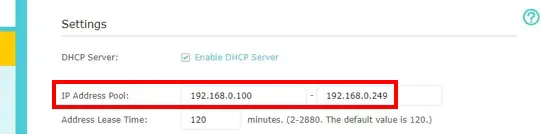
    When a device connects to the network for the first time, the router has a range of IP addresses that it can assign to the device.

    The range of IP addresses my router can use to assign to devices

    The router keeps track of the IP addresses that’re currently in use by other devices and automatically assigns the next available IP address to the device.

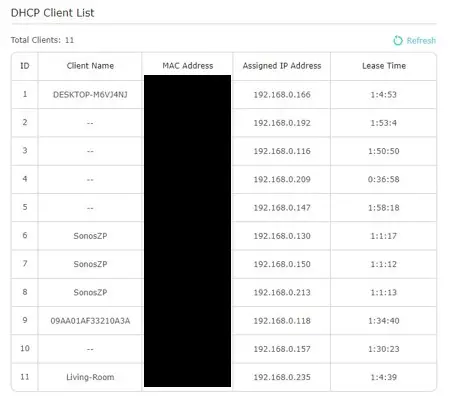
    The list of devices that have already been assigned an IP address is called the DHCP client list. For your reference, here’s an example of what a DHCP client list looks like:

    Router DHCP client list
    The DHCP client list for my router

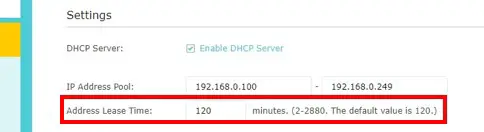
    Once assigned an IP address, the device will keep the IP address for a set amount of time that’s decided by the router. After this set period of time, if the device is still on the network it needs to “renew” its lease on the IP address.

    The lease time setting for the DHCP-assigned IP addresses on my network

    If the device disconnects from the network and the time period allotted for that IP address has expired, the router will disassociate the IP address from that device and return it to its usable pool of IP addresses.

    All of this happens without the owner of the router having to do anything.

    This is the beauty of DHCP, and it’s the reason why DCHP is utilized in most home networks.

    If you’d like to find out if DHCP is enabled on your router, check out this post I’ve written that walks you through the steps you need to follow.

    Assigning IP Addresses With DHCP Reservations

    Although it seems like DHCP is the easy button when it comes to IP address assignment, there are some situations where automatically assigned IP addresses may not be the best solution.

    This is why routers have another method of IP address assignment.

    The second method that routers use to assign IP addresses is called DHCP reservations. This is also referred to as assigning a static IP address to a device.

    In this method, devices are manually assigned IP addresses. In addition, these IP addresses don’t expire. They remain associated with the given device until the IP address is manually unassigned from it.

    I know what you might be thinking here.

    Why would anyone want to manually assign IP addresses to their devices? Wouldn’t this be a painful and extremely manual process?

    First of all, let me say this is a totally understandable perspective.

    The reality here is that some devices are better served with a static IP address that DHCP reservations provide.

    Can you think of any situations where you’d want a device to have the same IP address at all times?

    It makes the most sense to use a static IP address when you:

    • Are setting up a printer on your home network
    • Need to access a device on your home network remotely
    • Want to add a second router to your network to serve as a wireless access point
    • Want to be able to view your home security cameras when you’re away from home

    These situations make sense because you want to be able to find the device in the same spot every time you need to access it.

    Think of it this way: if the IP address of a device changes, it’s like the device is moving to a new location.

    If you have a wireless printer on your network, each time it gets a new IP address you’ll have to reconfigure the printer settings to update its IP address. Otherwise you’ll be trying to print to an IP address different from where you printer is actually located.

    Wouldn’t you rather just be able to click the print button and not have to think twice about it?

    By assigning a static IP address to your printer, that’s all you’ll have to do.

    Thankfully, this is pretty easy to do on your router.

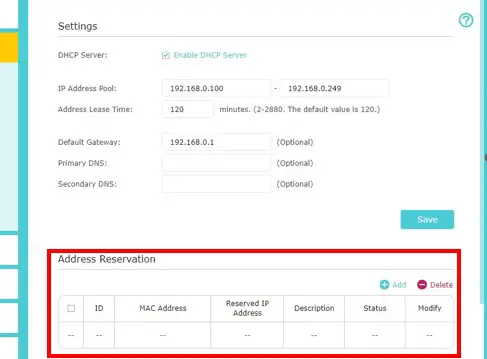
    You essentially just need to enter the MAC address of the device you want to assign a static IP address, and pick an IP address you want the device to have. This can be done in your router’s settings in the DHCP reservation section:

    The DHCP reservation list on my router

    Whatever IP address you choose will be associated with that device until you decide to make changes to it.

    Wrap Up

    There you have it, folks. Now you know your router is the device behind the assignment of IP addresses in your home network.

    If you have any questions about this information, please leave a comment below. For more information about similar topics, check out these other posts I’ve written:

    Does My Router Have DHCP? How to Find Out

    Do You Need an Internet Connection if You Have WiFi?

    What Can You Use an Internet Router For? 7 Common Uses

    Router Ethernet Ports: Everything You Need to Know

    How Many IP Addresses Should a Router Have?
  • Does My Router Have DHCP? How to Find Out

    Does My Router Have DHCP? How to Find Out
    Does My Router Have DHCP title page
    In today’s world of mobile devices and wireless internet access, Dynamic Host Configuration Protocol (DHCP) has become a requirement for home networks.

    Without DHCP, home networks would be a mess to manage.

    Could you imagine having to manually assign an IP address to every connected device that enters your home?

    I couldn’t either.

    If DHCP is so vital to home networks, where does it come from? Is your router responsible for providing DHCP to your home?
    In general, internet routers are responsible for providing Dynamic Host Configuration Protocol (DHCP) capabilities to a network. Although all routers have DHCP capabilities, a router’s DHCP configuration can be turned on or off based upon the unique needs of a network.

    In this post, I’ll discuss whether you can expect your router to have DHCP configured. In addition, I’ll provide a procedure for checking to see if your router has DHCP enabled.
    What Routers Have DHCP?

    When it comes to routers used in home networks, you can expect all of them to have DHCP configured.

    If you think about the role of routers in a home network, this makes a lot of sense.

    A router is responsible for coordinating all the traffic in its network. It ensures that a device that sends an internet request is the same one that receives the response to that request.
    When you think about the number of internet connections that are active at the same time on a network, it’s easy to see this is no easy task.

    This is especially the case when devices are frequently joining and leaving the network.

    When a device connects to a router’s network, the router needs to keep track of it to ensure the device receives the data that is sent to it.

    These devices are tracked by assigning them IP addresses.

    Who better to assign an IP address to a device than the router that’s responsible for coordinating its internet connection?

    And how do routers assign IP addresses to devices that join their network?

    You guessed it. They utilize DHCP.

    This is why all home network routers have DHCP capabilities. They’re in charge of tracking all the devices connected to the network. Assigning IP addresses to these devices helps them do that.

    How Do I Know if My Router Has DHCP Enabled?

    There’s one important thing to understand when it comes to your router and DHCP: just because your router has DHCP capabilities doesn’t mean DHCP is enabled on your router.

    If you want to know if you router has DHCP enabled, it’s a pretty straightforward process.

    You just need to know where to look.

    For this information, you need to access your router’s settings page.

    So how exactly do you do this?

    I’m glad you asked.

    How to Check Your Router’s Settings to See if DHCP Is Enabled

    If you want to see if your router has DHCP enabled, the first thing to determine is the location of your router’s settings page.

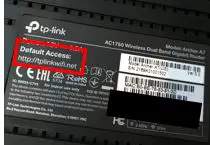
    In most cases, you can find this information from a sticker that’s on the actual device.

    For example, the informational sticker on my router is on the bottom of the device.

    Router default access location

    You can also access your routers settings by typing the IP address of your router into an internet browser. In my case, this means I can access my router’s settings at http://192.168.0.1.

    As a note, this is a common IP address for home network routers.

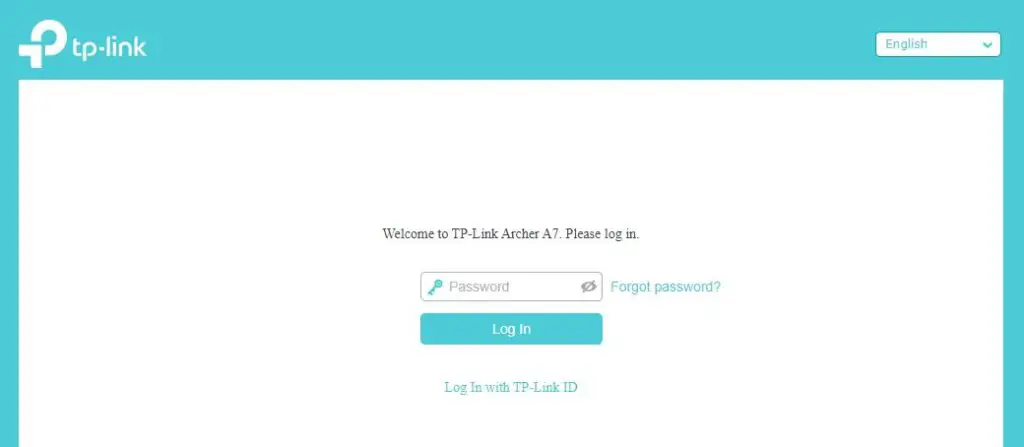
    Upon entering the location of your router’s settings page into a browser, it’ll take you to a login page.

    Router settings login page

    At the login page, enter the username and password for your router’s settings.

    If you’ve never changed the default username and password for your router, this information may be listed on the sticker on the router itself.

    In some cases, you’ll be able to find the default username and password for your router’s settings by searching for your router’s make and model in Google. If you’re unsure what your router’s make and model is, I wrote an article on this that’ll help you figure it out.

    In my case, I was forced to create a unique username and password when I first accessed my router’s settings.

    Important note: if you’ve never changed the default username and password for your router’s settings, you need to change it. Changing your router’s password to something only you know will make it much more secure.

    Ok, back to our regularly scheduled programming.

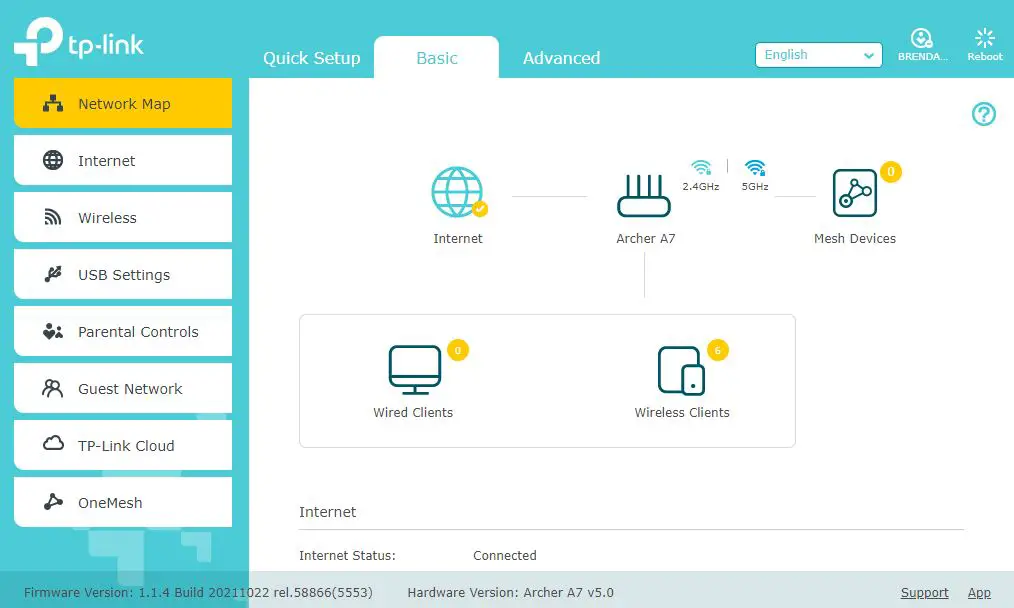
    Once you’ve successfully logged in to your router, it’ll take you to the home page of your router’s settings:

    Router settings page

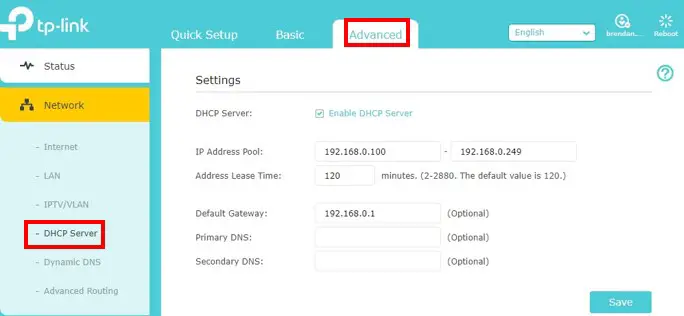
    In most cases, your router’s DHCP settings will be in the Advanced Settings section of your router’s settings.

    Advanced tab of router settings

    For my TP-Link Archer A7 router, I first need to access the Advanced Settings tab. Then I’m able to select “DHCP Server” under the Network settings header.

    DHCP server settings page

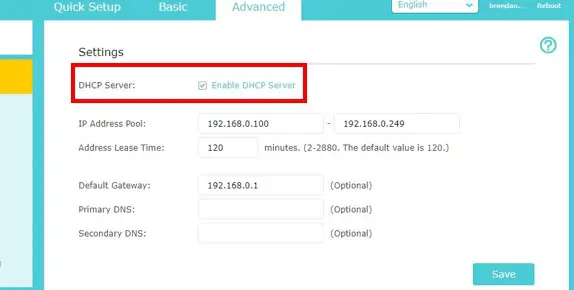
    On this settings page, I’m able to see if DHCP is enabled on my router.

    DHCP server enabled setting

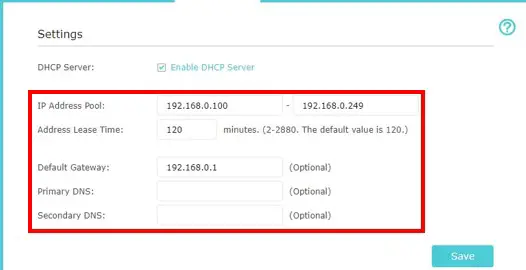
    In addition, I can see the additional DHCP settings for my router. This includes the:

    • IP address of the DHCP server (which is the IP address of my router)
    • Range of IP addresses that are assigned to devices on the network (i.e. the IP address pool)
    • How long devices can reserve IP addresses before having to reserve them again (this is called lease time)
    DHCP settings for router
    DHCP settings on my router

    Further down on this settings page, I can also see the IP addresses currently in use on my router’s network. This is called the DHCP Client List.

    Router DHCP client list

    See? That wasn’t so bad.

    Accessing your router’s DHCP settings will allow you to customize and monitor the IP addresses being used in your network.

    On top of that, you can confirm that your router has DHCP enabled if you’re having issues with your network.

    Why Do Routers Have DHCP?

    Ok, so we’ve confirmed that your router has DHCP capabilities.

    But why do routers have DHCP in the first place?

    To answer this question, let’s make sure we understand what DHCP does for your network.

    DHCP Refresher

    Dynamic Host Configuration Protocol involves the automatic assignment of temporary IP addresses to devices. This method enables IP addresses to be reused by other devices if a specific device leaves a network.

    When it comes to IP address assignment, the opposite method of DHCP is static IP address assignment. In this method, IP addresses are permanently assigned to devices when they join the network.

    These IP addresses cannot be reused unless an address is manually disassociated from one device and reassigned to another one. This is true even if a device is no longer connected to the network. The IP address for that device can’t be reused until it’s manually reassigned.

    Router IP Address Assignment Method

    When you look at things from a router’s standpoint, what method of IP address assignment makes the most sense?

    It doesn’t take too much critical thinking to realize that DHCP is the best option here.

    With the number of connected devices in homes today, router’s need to be able to quickly assign IP addresses to devices as they join the network. At the same time, they also need to free up IP addresses for reassignment when devices disconnect from the network.

    This isn’t applicable to just your devices, either. When you have friends and family visit your home, their devices will connect to your home network.

    When that happens, their devices are assigned IP addresses as well.

    This assignment needs to happen automatically, because the alternative is too slow and painful.

    You’d have to manually assign IP addresses to your friend’s devices every time a new one connects to your network.

    Nobody has time for that.

    This is what makes DHCP a necessity.

    The bottom line is that your router is the best candidate to have DHCP because it’s the brains of your home network.

    Wrap Up

    At this point you should understand the importance of DHCP on your network and why it’s implemented by your router.

    If you have any questions about this information, please drop a comment below. If you’d like to learn more about similar topics I’ve written about, these articles might be a good place to start.

    What Router Do I Have? How to Find Out

    What Can You Use an Internet Router For? 7 Common Uses

    Are All Routers Compatible With All Modems?

    Router Ethernet Ports: Everything You Need to Know

    Does a Router Have to Be Connected to a Computer to Work?

  • Do You Need an Internet Connection if You Have WiFi?

    Do You Need an Internet Connection if You Have WiFi?

    Do You Need an Internet Connection if You Have WiFi title page

    WiFi and internet are two terms that often get used interchangeably.

    The problem with this is that, although they’re related, they actually mean two totally separate things. This often leads to questions about which of the two you need for a wireless internet connection.

    So the question is, do you need an internet connection if you’re connected to WiFi?

    WiFi and an internet connection are both required to access the internet wirelessly. WiFi simply refers to the networking technology that allows devices to communicate wirelessly. WiFi cannot provide internet access unless an internet plan is also in place.

    In this article, I’ll detail the differences between WiFi and an internet connection. I’ll also talk about what it means for your network if you have one and not the other.

    Let’s dive in.

    Do WiFi and Internet Refer to the Same Thing?

    Internet and WiFi are totally independent of each other.

    It’s possible to have WiFi without internet.

    It’s also possible to have internet without WiFi (although this is less common today).

    In situations where internet and WiFi are combined, it allows for wireless internet connectivity. This is the desired state in most networks where there’s confusion about WiFi and internet connections.

    Let’s take a closer look at each of these individual components to understand the difference between them.

    What Does WiFi Provide?

    In order to understand what WiFi provides, it’s important to define exactly what WiFi is.

    WiFi stands for Wireless Fidelity. It’s a networking technology that allows electronic devices to communicate with each other wirelessly. This is accomplished through wireless networks that are broadcast by internet routers.

    The key here is the association between routers and WiFi.

    Any time we’re talking about WiFi, we’re talking about it in the context of a wireless network that’s emitted from a router.

    Devices that’re on the same WiFi network are able to communicate with each other over that network. This is what allows you to wirelessly print from your laptop to your wireless printer.

    WiFi is also the technology that allows your devices to have wireless connections to the internet.

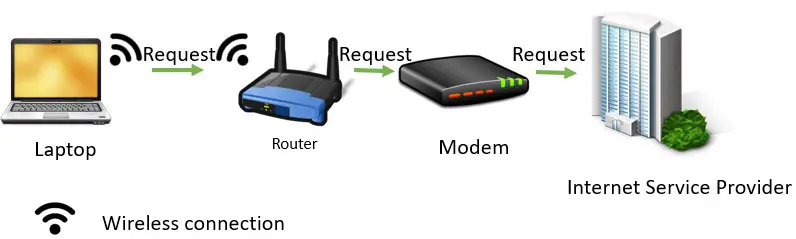
    When devices have a wireless internet connection, they communicate with an internet router over WiFi to transfer data to and from the internet. The router receives requests sent to it over the WiFi network and handles the rest of the communication with the broader internet.

    Here’s a visual of the path an internet request takes over a wireless internet connection:

    Wireless internet connection data flow diagram
    The path of an internet request over a wireless internet connection

    The catch here is that a WiFi network can operate independently of an internet connection.

    This means that even if there isn’t a connection to the internet, a WiFi network is still broadcast from a router.

    This is what allows you to use a router even if you don’t have an internet connection. A router can be used to enable communication between your devices, but your devices just won’t be able to wirelessly access the internet.

    The bottom line is that WiFi allows your devices to wirelessly communicate with each other. If you want your devices to be able to wirelessly connect to the internet, you’ll also need an internet connection.

    What Does an Internet Connection Provide?

    Ok, so if WiFi allows devices to communicate with each other wirelessly, what’s the internet connection do?

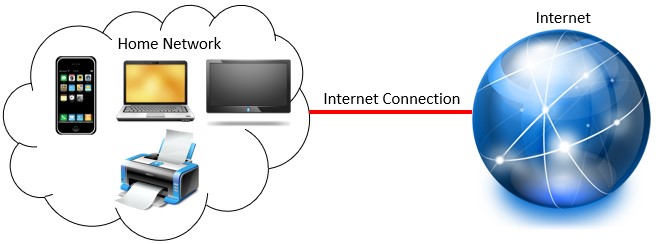
    To put it simply, an internet connection is the bridge that allows your devices to access the public internet.

    Rather than only being able to talk to devices on the same network using WiFi, with an internet connection they’re able to talk to all the devices on the internet.

    Internet connection provides access to internet

    An active internet connection plays the same role whether WiFi is available or not.

    It connects devices to the larger internet.

    With that said, an internet connection isn’t as simple as signing up for an internet plan with your local Internet Service Provider (ISP). There are a few different things that need to be in place to get a working internet connection.

    If you’d like to learn more about what exactly is needed for an active internet connection, I’ve written an article breaking down everything you need.

    The easiest way to think about an active internet connection is to think of it like a library card. If you want access to the books and resources in the library, you need to have a library card.

    The same goes for the internet. If you want your devices to be able to access the internet, they need to have an active internet connection.

    The Difference Between Internet and WiFi

    Now that we’ve broken down both WiFi and internet connections, hopefully you can see the difference between the two.

    The best way to think about these two components is that WiFi defines how devices communicate with each other (wirelessly), while internet connections determine what your devices are able to talk to (the public internet).

    Combining these two things together provides your devices with the best of both worlds.

    What Does WiFi Mean if You Don’t Have an Internet Connection?

    So what happens if you have WiFi, but you don’t have an internet connection.

    In a scenario like this, it means you have an internet router but no active internet connection. Your router would be broadcasting a WiFi network, but your devices wouldn’t be able to talk to the internet.

    This situation would severely limit your home network.

    With that said, you wouldn’t be totally handicapped.

    If you have WiFi but no internet connection, you’d still be able to:

    • Print wirelessly
    • Share files and media on your home network
    • Play music on wireless speakers (as long as the music is locally saved on your devices)
    • View the feed of home security cameras (as long as they’re on the same network)

    Despite being able to do these things, I have a feeling you’d still be disappointed. This is a tiny fraction of what you can do compared to what you could do with both WiFi and an active internet connection.

    But what if you had an internet connection and no WiFi?

    Would you still be as disappointed?

    What Does It Mean if You Have Internet but No WiFi Connection?

    If your home network had an active internet connection but no WiFi, it would be like going back in time.

    In a scenario like this, your devices would be able to connect to the internet, but they wouldn’t be able to connect to the internet wirelessly.

    If you’ve been on earth long enough (like me), this should make you think about the early days of the internet.

    When the internet first came into existence, WiFi didn’t exist.

    As a result, any device you connected to the internet had to be physically connected to the internet with a cable.

    At the time, people didn’t think anything of it. In today’s world, however, this would be really odd.

    That’s because any router made since the early 2000s most likely has WiFi capability.

    In this sense, it’s very unlikely that you’ll have internet but no WiFi connection in your home network.

    If you did, most of your devices wouldn’t be able to connect to the internet anyway because they only have the ability to connect to the internet over WiFi (phones, some laptops, etc.).

    So although it would be quite limiting if this was the situation, it’s extremely unlikely that this is the case in your home network.

    Wrap Up

    When it comes to providing your devices with a wireless connection to the internet, they need both WiFi and an internet connection.

    If you have any questions about this, please leave a comment below. I’d also love to hear from you if for some reason you have a home network with an internet connection and no WiFi.

    If you found this information helpful, here are some additional posts I’ve written that you might find useful:

    Can I Just Buy a Modem and Have Internet? What Else You Need

    What Can You Use an Internet Router For? 7 Common Uses

    Different Modem Types: Which Is the Most Common?

    Does a Router Have to Be Connected to a Computer to Work?

    Are All Routers Compatible With All Modems?

  • Can I Just Buy a Modem and Have Internet? What Else You Need

    Can I Just Buy a Modem and Have Internet? What Else You Need

    Can I Just Buy A Modem and Have Internet Title Picture

    Modems are the gateway for your home’s connection to the internet.

    But the question is, is that all you need?

    In other words, once you buy a modem will you automatically have an internet connection?

    Unfortunately, it’s not that simple to get an internet connection in your home.

    Simply buying a modem will not provide an internet connection. In addition to a modem, an active internet plan and a router are required for a fully functioning internet connection. If any one of these components is not in place, an internet connection will not be established.

    In this post, I’ll break down why you can’t just use a modem to access the internet. I’ll also talk about why you need an active internet plan and router as well.

    Can You Get Internet With Just a Modem?

    Let me start by saying that a modem is a crucial component when connecting to the internet.

    In fact, an internet connection can’t be achieved without a functioning modem.

    With this information in mind, let me describe a scenario here.

    Let’s say you just moved into a new house and you don’t have internet yet.

    You’ve decided that you want to get brand new home networking equipment for your new house, so you go out and buy a new modem.

    You bring the modem home, set it up, and power it up. As the device powers on, you expect to see an available WiFi network pop up on your phone.

    After waiting an unreasonable amount of time, the expected WiFi network never pops up. In a state of exasperation, you proceed to cry yourself to sleep wondering what you did wrong.

    Does anyone know what went wrong in the scenario above?

    Unfortunately, there were several things that were missing here.

    First and foremost, an internet connection isn’t established just by buying a modem and powering it on. In other words, it takes more than a modem to get an internet connection.

    In fact, it takes multiple components to achieve a fully functioning internet connection. These components are all needed because they each play a very specific role in the connection. A modem only provides one aspect of a complete internet connection.

    Let’s dive into each of the components needed for an internet connection, and the role they play in providing internet to a home.

    What Do You Need for an Internet Connection?

    In order to access the internet in your home, you need:

    • An active internet plan
    • A modem (or a modem router combo device)
    • A router (if a modem router combo device isn’t used)
    • Devices that can access the internet

    Without any of the above components, you won’t be able to get a usable internet connection.

    Let’s take a closer look at each of these items to see why they’re important.

    An Active Internet Plan

    The most important aspect of an internet connection is an active internet plan.

    Without an active internet plan, it doesn’t matter what other internet components you have.

    To put it simply, an internet plan is step one of your internet connection. No internet plan, no internet connection. It’s as simple as that.

    That would be like having a cell phone with no sim card.

    So what exactly is an internet plan?

    An internet plan is a contract with an Internet Service Provider (ISP) where you’re charged for the tier of internet speed that’s delivered to your home. This is usually a monthly bill for the internet service.

    The delivered internet speed of the internet plan, also known as bandwidth, is measured in Megabits per second (Mbps). It’s usually presented in terms of the maximum possible internet speed you’ll experience as a member of the plan.

    For reference, here’s the speed of my internet plan on one of my previous internet bills:

    Internet plan speed

    Notice how it says “as fast as”. That’s a fancy way of saying that 600 Mbps is the maximum possible speed of my internet plan.

    Regardless of the internet plan you have in place, the bottom line is you have to have one. If you don’t have an internet plan in place, reach out to the local ISPs in your area to see what your options are.

    A Modem

    As I mentioned previously, a modem is another vital component of an internet connection.

    That’s because the main purpose of a modem is to establish a connection with your ISP.

    Once an internet plan with the ISP is activated, your modem will allow you to use that internet plan. It does this by communicating with your ISP every time you access the internet.

    Any time one of the devices on your home network sends a request to the internet, the request goes through your modem to the ISP.

    Internet request travels through modem to ISP

    All return traffic follows the same path but in the opposite direction. Any information being sent from the internet to your devices will travel through your modem.

    Internet response travels through ISP to modem

    In this sense, your modem really is your home’s gateway to the internet. Everything travels through it to get to the internet.

    The unfortunate part about this is that your modem can’t do everything. That’s why these other vital pieces of an internet connection are needed.

    A Router

    The next component that your internet connection can’t do without is your router.

    Your router’s job is to take what’s provided to it by your modem (an internet connection), and share that with the devices on your home network.

    There are two ways that a router does this: both wirelessly and through wired connections.

    These are the two ways your devices can connect to your internet. They can either connect to the internet through one of the router’s ethernet ports, or they can connect to the internet via the WiFi network provided by the router.

    To boil it down, the value that a router adds to an internet connection is that it takes the internet connection provided by a modem and provides that connection to many devices.

    To be a little more specific, routers act like the brains of an internet connection. They’re able to route all the traffic on your home network to the right devices and destinations. This involves a lot of brainpower when multiple devices on a network are making requests to the internet at the same time.

    Routers keep track of all that.

    Unfortunately, modems do not have that kind of brainpower. They simply take the internet connection they establish with the ISP and pass it to the router to coordinate the sending and receiving of traffic.

    Without a router, you’d only be able to connect one device to the internet. On top of that, the device connected to the internet would be exposed to significant cybersecurity risks.

    That’s why it’s recommended that you never connect a device to the internet by connecting it directly to a modem.

    Devices That Can Access the Internet

    This last one’s pretty obvious.

    If you have an active internet connection, modem, and router in place, your home will have a functioning internet connection.

    In order to use this internet connection, you’ll need devices that can connect to your router’s home network.

    In today’s world this isn’t really a concern, as it feels like almost all electronic devices can be connected to the internet.

    After all, if you’re reading this article you already have a device that can connect to your functioning home network once everything is in place.

    Wrap Up

    Setting up an internet connection isn’t as easy as going out and buying a modem. With that said, establishing an internet connection in your home isn’t too difficult if you know what you need.

    Lucky for you, you’re in that group now.

    If you have any questions about what’s needed to set up an internet connection, please leave a comment below.

    If you’re interested in learning more about similar topics, check out these other posts I’ve written:

    What Can You Use an Internet Router For? 7 Common Uses

    Router Ethernet Ports: Everything You Need to Know

    What Modem Do I Have? How to Find Out

    Different Modem Types: Which Is the Most Common?

    What is a Modem Router Combo?

  • Different Modem Types: Which Is the Most Common?

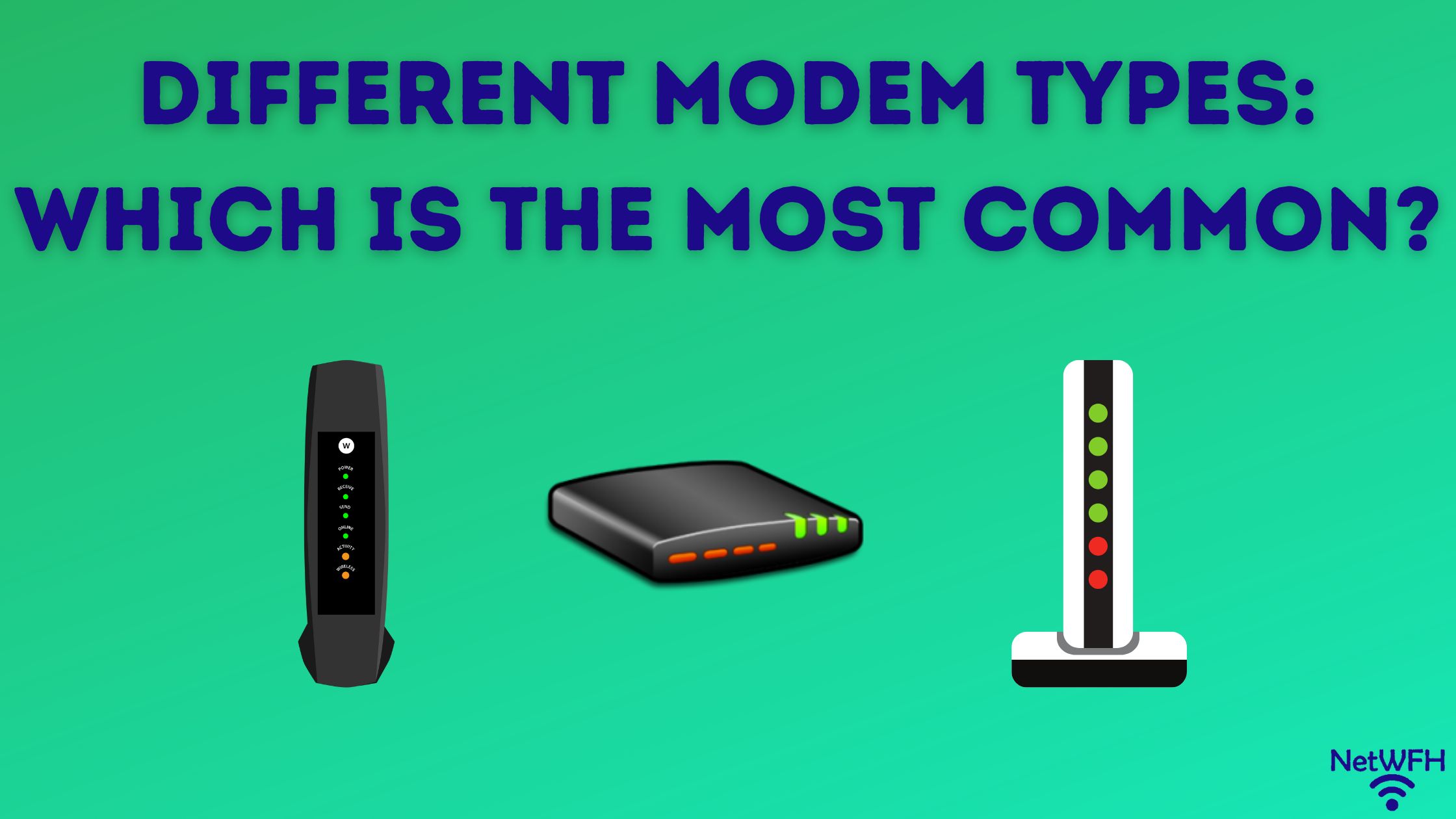
    Different Modem Types: Which Is the Most Common?

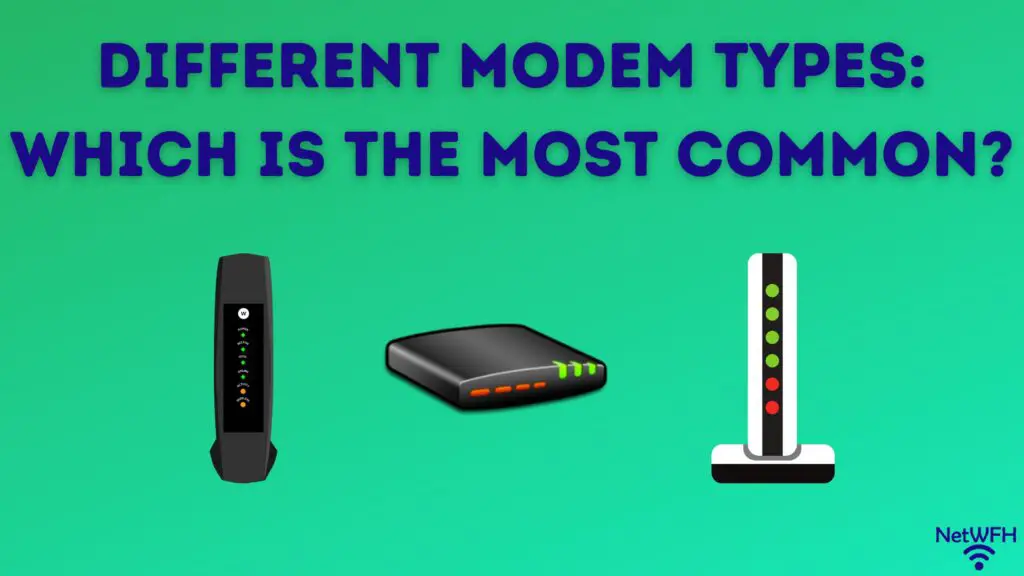
    Different modem types title picture

    To many people, internet modems are little black boxes that provide homes with connections to the internet.

    As if they weren’t confusing enough, you should know that there are different types of modems that are in use today.

    So what are these different types of modems that you can use, and which type is the most common?

    The different types of modems that are in use today are DSL, cable, and fiber optic modems. Cable modems are the most common type of modem because cable internet is the most common form of internet connection.

    In this post, I’ll provide more detail about the different types of modems that you might see today. I’ll also explain which types of modems are the most commonly used.

    What Are the Different Types of Modems?

    Let’s take a closer look at the different types of modems and when they’re used.

    Dial-Up Modems

    Dial-up modems were the first type of internet modem ever developed. They used phone lines to communicate with the internet.

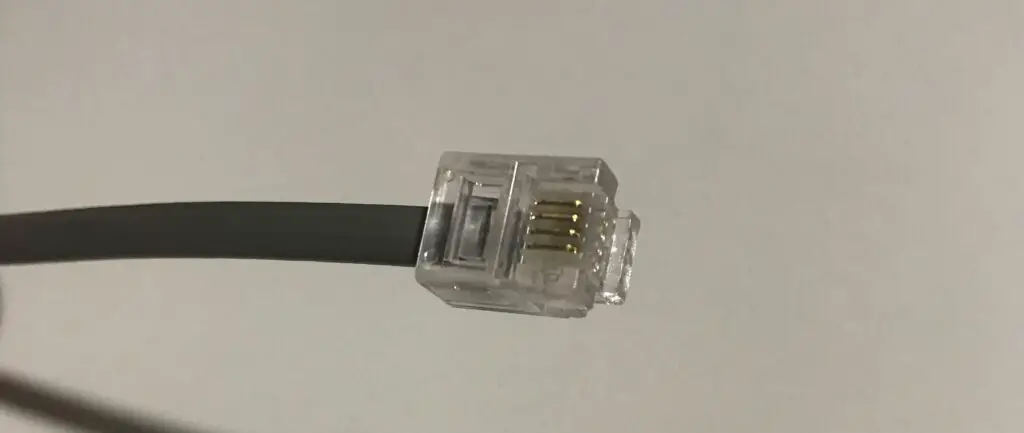
    To get an internet connection, dial-up modems just needed to be connected to a phone jack in the home using a phone cable, like this one:

    Phone cable

    Due to the fact that dial-up modems used public phone lines, they were widely used at the time because virtually everyone had a telephone line in their home.

    Unfortunately, the good times did not last for dial-up modems. This was due to advancements in internet technology (see the next modem type).

    By today’s internet standards, dial-up modems were as slow as molasses. They delivered maximum internet speeds of 56 kilobits per second (kbps).

    When advancements in internet speeds were made, dial-up modems were left in the dust.

    As a result, you won’t see dial-up modems in use today.

    Digital Subscriber Line (DSL) Modems

    Digital subscriber line modems are similar to dial-up modems in a lot of ways.

    Much like dial-up modems, DSL modems use phone lines to communicate with the internet. This makes them an option for a majority of households, as any home with an existing phone line is eligible to have a DSL internet plan.

    Just like dial-up modems, DSL modems are connected to the internet via a phone cable. For your reference, check out the picture of the back of this modem. You can see a port labeled “DSL”. This is where the phone cable connects to the modem.

    The difference between DSL and dial-up modems is the internet speeds they can support. According to some sources, DSL internet plans can provide internet speeds between 6 and 100 megabits per second (Mbps).

    Based upon this information, it’s obvious that DSL modems support much faster speeds than the 56 kbps speeds that dial-up modems support.

    I know this might seem confusing, seeing as both dial-up and DSL modems are using the same method (phone lines) to send and receive internet data.

    This has to do with the advancements in technology I referred to in the previous section.

    The technology behind DSL modems allows them to better utilize the phone lines to send and receive more data at a given time. In fact, advancements in DSL technology are still being made today.

    These advancements in DSL technology are the reason why dial-up modems are no longer used. They simply can’t compete with the speeds that DSL modems support.

    Cable Modems

    Cable modems serve as a departure from the other two modems on the list so far.

    That’s because they don’t utilize phone lines like DSL and dial-up modems do.

    Instead, cable modems use a different technology that has become prevalent in many households today.

    I’m referring to cable television.

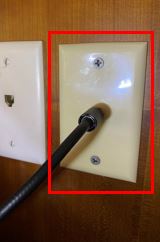
    To connect to the internet, cable modems utilize the same wires that deliver cable television to the home. This is done by using a coaxial cable (the same type of cable that connects to your cable box) to connect the back of the modem to a coaxial cable wall jack like this:

    Coaxial cable wall jack

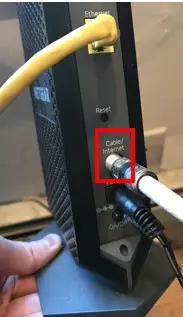
    For reference, here’s a coaxial cable connected to the back of my cable modem:

    Coaxial cable in back of modem

    Cable modems send and receive data over these cables at speeds much faster than dial-up and DSL modems. This has to do with the fact that coaxial cables allow more data to pass through them at a given time compared to telephone lines.

    This is also known as bandwidth. Coaxial cables support more bandwidth than phone cables.

    In fact, cable modems can support speeds faster than 500 Mbps. That’s more than five times faster than the speeds that the fastest DSL modems support.

    Fiber Optic Modems

    Fiber optic modems are the latest and greatest when it comes to modem technology. They’re designed to work with fiber internet, which was first offered to residential homes in the early 2000s.

    Fiber modems send and receive data a different way than dial-up, DSL, and cable modems do. Instead of sending and receiving data in the form of pulses of electricity, fiber optic modems are able to send data in the form of light pulses.

    This is the whole premise behind fiber optic internet.

    Fiber internet is able to provide much faster internet speeds than dial-up, DSL, and cable internet plans because sending data via light pulses is much faster than sending data through electric pulses.

    As you may have guessed, this also means that fiber optic modems can support faster internet speeds than dial-up, DSL, and cable modems can.

    Currently, fiber modems (and internet plans) can support speeds close to 1 gigabit per second (Gbps). for reference, 1 Gbps is equal to 1,000 Mbps.

    Yeah, that’s pretty fast.

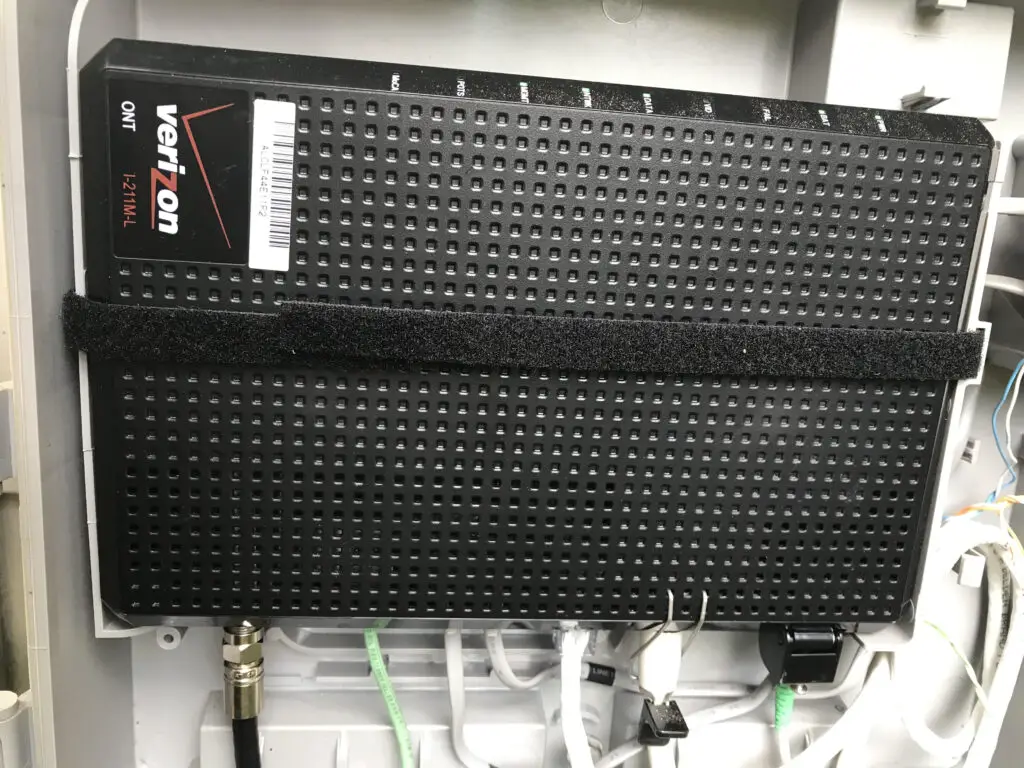
    Due to the fact that fiber internet is still a fairly new technology, many ISPs will install their own modem at your home when you purchase a fiber internet plan.

    Here’s an example of an ISP’s fiber internet modem installation:

    ISP fiber internet ONT device

    If you see one of these devices in person, you might see it labeled as an “ONT” device.

    ONT stands for Optical Network Terminal.

    Don’t be confused here. ONT is just a fancy term for a fiber optic modem.

    Despite the fact that many ISPs will install their own fiber modems when you purchase a fiber internet plan, you can still purchase a few of them online. For reference, here’s an example of a fiber modem that you can buy online.

    As fiber internet becomes more widely available (and cheaper), you can expect to see a whole lot more of these devices in home networks.

    What Is the Most Common Type of Modem?

    Now that we’ve broken down the different types of modems that’re available, it begs the question: which type of modem is most common.

    At this stage in the game, cable modems are most frequently used.

    According to a study done in 2022, it’s reported that more than 50% of US households have cable internet.

    Do you know what this means?

    This means that they have cable modems as well.

    This is a pretty significant number, considering that fiber internet is utilized in about 20% of US households at the time of the study.

    That means that 20% of US households have fiber modems. Although the study does not identify this directly, it’s safe to say the majority of the remaining percentage (30%) is comprised of mostly DSL modems.

    For DSL modems, this number is trending in the wrong direction. DSL internet plans are finding it harder to compete with the speeds offered by cable and fiber internet, which results in fewer subscribers (and less DSL modems).

    This is a trend I expect to continue in the future.

    Speaking of the future…

    I expect fiber modems to increase in popularity as fiber internet plans become more widely available to homes.

    So although cable modems are the most popular at the moment (and for the foreseeable future), I don’t expect it to stay this way forever.

    I’m a firm believer that fiber internet is the future of our connected world, and soon enough we’ll be using the fiber modems to prove it.

    Wrap Up

    Hopefully you now have a good understanding of the main types of modems in use today.

    Odds are, if you walk into someone’s home today, they’ll have a cable internet modem. With that said, be on the lookout for more fiber modems moving forward.

    If you have any questions about the different types of modems, please leave a comment below. If you found this information useful, here are some other posts that might be helpful for you:

    What Are Modem Channels? How They Affect Network Speed

    What Modem Do I Have? How to Find Out

    Does Modem Placement Matter?

    What Do the Lights on My Modem Mean?

    Can I Take My Internet Modem to Another House?

  • What Are Modem Channels? How They Affect Network Speed

    What Are Modem Channels? How They Affect Network Speed

    What are modem channels title picture

    If you’ve read about modems, you’ve likely seen modems described by the number of channels they have.

    Modem channels can be a confusing term that makes modems seem more complicated than they really are.

    So what are modem channels referring to, exactly?

    Modem channels are a modem’s connections to an internet service provider (ISP). Modems will have both upstream and downstream channels. Upstream channels are used for uploading data to the internet, while downstream channels are used for downloading data from the internet.

    In this post, I’ll remove the cloud of mystery about modem channels. I’ll also explain how the number of channels your modem has will affect the internet speed of your network.

    What Is a Modem Channel?

    As I mentioned above, a modem’s channels are used to connect a modem to an ISP. In fact, the more channels a modem has, the more connections it can make to the ISP.

    So what? Why do we care about how a modem is connected to an internet provider?

    We care because your modem and ISP are communicating on a continuous basis.

    Every time one of the devices on your home network requests a website from the internet, your modem and ISP will be communicating with each other.

    But that’s not the only time your modem and ISP will be sending data to each other.

    In fact, your modem and ISP will be communicating when you:

    • Watch a YouTube video
    • Check your email
    • Play an online game
    • Upload a file to the cloud
    • Buy something from Amazon
    • Go on Facebook

    Hopefully you get the picture.

    To put it simply, any time you do something on the internet, your modem and ISP will be sending data back and forth to each other.

    This is why a modem’s channels are so important. Any time you do anything on the internet, they’re being used.

    Your modem is your key to the internet. If it didn’t have channels to connect to an ISP, your modem wouldn’t be able to access the internet at all.

    Hopefully you can see the importance of modem channels.

    But that’s not all.

    There’s actually more to learn about them.

    Let’s start with the fact that there are two different types of channels that a modem will have.

    What Are the Different Types of Modem Channels?

    The two different types of modem channels are upstream channels and downstream channels.

    To paint a clear picture of these different types of channels, let’s an example of cars on a highway.

    As you know, each lane on a highway is dedicated to traffic going in a certain direction. The lanes on one side of the divider will all be going in one direction. The lanes on the other side of the divider will be going in the opposite direction.

    Cars on a highway

    The same is true for a modem’s channels.

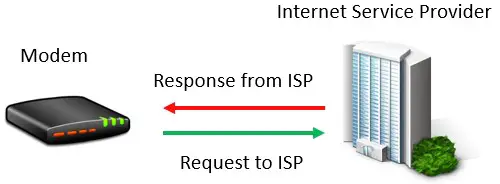
    This has to do with the fact that data is traveling between a modem and ISP in both directions. The modem is sending data to the ISP, while also receiving data that the ISP is sending it.

    Data between modem and ISP
    Movement of data between a modem and ISP

    This is why modems have upstream and downstream channels.

    Upstream modem channels are used to send data from the modem to the ISP, while downstream channels are used to deliver data to the modem from the ISP.

    In other words, upstream channels are used to send a request to the internet, upload a file to the internet, etc.

    On the other hand, downstream channels are used for any information traveling from the internet to one of the devices on the modem’s network.

    With each channel dedicated to data moving in one direction (either to or from the ISP), it ensures that the information makes it to the desired destination without any interference.

    If data was moving in both directions over one modem channel at the same time, it would lead to delayed transmission and crossed signals.

    Does the Number of Channels on a Modem Matter?

    Now that we’re clear on the different types of channels a modem has, let’s talk numbers.

    If it’s not clear by now, all modems will have multiple upstream and downstream channels.

    The question is, does it matter how many channels a modem has?

    This is a resounding yes here. The more channels a modem has, the more data it can send and receive at a given time.

    To illustrate this point, let’s revisit our highway example again.

    In our highway example, let’s say there’s one lane going in each direction.

    In this scenario, let’s say it’s rush hour.

    There are many cars on the road, and it’s leading to traffic on this two lane highway. The cars aren’t moving anywhere fast, and no one is getting to their destination on time.

    Cars on a highway traffic jam

    The city notices this traffic and realizes that the traffic has become a problem.

    So what do they do?

    They add lanes to the highway.

    By adding another lane in each direction, it greatly reduces traffic on the road.

    Adding a lane to a highway

    The cars are no longer bumper to bumper, and the traffic congestion goes away.

    This is the same concept with modem channels.

    The more channels a modem has, the easier it can handle large amounts of data at a given time. Having a lot of channels will avoid any congestion that might result when a lot of information is requested from the internet at one time.

    To put this another way, the more channels a modem has, the faster the internet speed it can support. With that said, if a modem doesn’t have enough channels, it can slow down the internet speed of the entire network.

    For your reference, here’s a table of the different speeds a modem can support based upon the number of download channels it has:

    Number of Download ChannelsMaximum Possible Speed (Mbps)
    4 (DOCSIS 3.0)172
    8 (DOCSIS 3.0)343
    16 (DOCSIS 3.0)686
    24 (DOCSIS 3.0)1,000
    32 (DOCSIS 3.0)1,400
    32 (DOCSIS 3.1)10,000

    Here are the different speeds a cable modem can support based upon the number of upload channels it has:

    Number of Upload ChannelsMaximum Possible Speed (Mbps)
    4 (DOCSIS 3.0)108
    8 (DOCSIS 3.0)216
    8 (DOCSIS 3.1)1,000-2,000

    If you can’t tell from these tables, the number of channels a modem has will have a significant affect on the speeds it can support.

    How Many Channels Does My Modem Have?

    If you’re not sure how many channels your current modem has, there are two common ways to find out.

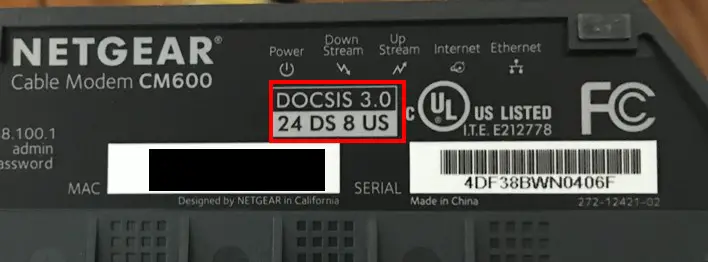
    The easiest method is to look at the sticker on the modem. On my Netgear modem, the sticker is on the bottom of the device.

    Somewhere on the sticker, it should list the number of upstream and downstream channels the modem has, as well as the DOCSIS standard it adheres to (if you have a cable modem).

    Here’s what it looks like on my sticker:

    Modem label upstream and downstream channels

    As you can see, my modem adheres to the DOCSIS 3.0 standard and has 24 downstream (DS) channels and 8 upstream (US) channels.

    Something to note is that there are three times as many download channels on my modem as upload channels. You’ll always have more download channels than upload channels on your modem because you download data from the internet much more often than you upload it.

    That’s why it makes sense to have more channels dedicated to receiving data from the ISP.

    If you aren’t able to tell how many channels your modem has by its sticker, fear not.

    You can also figure this out by looking at your modem’s settings.

    To do this, you need to access your modems settings by logging in to its settings page. In order to do this, you’ll need to know the username and password for your modem’s settings, as well as the IP address of your modem.

    This information can usually be found on the sticker on the device, or in the modem’s Owner’s Manual.

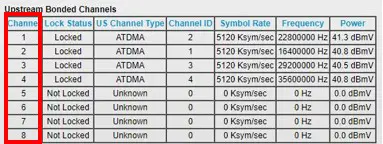
    Once you’ve accessed your modem’s settings page, look for the settings that detail the modem’s connection statistics.

    On my modem, this is detailed in the Cable Connection section:

    In this section, I can see the downstream bonded channels of my modem.

    As you can see, my modem has 24 downstream channels.

    I can also see the upstream bonded channels of my modem.

    Modem settings upstream bonded channels

    My modem has 8 upstream channels.

    Using either of these two methods should provide you with the number of channels your modem has.

    Wrap Up

    Hopefully you now have a clear understanding of what modem channels are and how they affect the internet speed a modem can support. If you have any questions about this information, please leave a comment below.

    To read more about similar topics, check out some other posts I’ve written:

    What Modem Do I Have? How to Find Out

    Does Modem Placement Matter?

    Should Your Router and Modem Be Close Together?

    Does Any Modem Work With Any Internet Provider?

    Does Your Modem Affect Your Internet Speed?

  • What Can You Use an Internet Router For? 7 Common Uses

    What Can You Use an Internet Router For? 7 Common Uses

    What Can You Use an Internet Router For Title Picture

    Let me start by saying that despite their reputation, internet routers are not one-trick ponies.

    They’re actually really helpful devices that can do many things that most people don’t realize.

    Hopefully I’ve piqued your curiosity here.

    So what are all these things a router can be used for?

    You might be surprised to find out that you can use an internet router to do the following:

    • Provide devices with internet connections
    • Establish a network printer on a home network
    • Share files and media on a home network
    • Serve as a wireless access point
    • Create a home security network
    • Add wired connections to a network
    • Use it as a VPN server

    In this post, I’ll break down seven of the most common ways that internet routers are used in home networks. Hopefully this will give you some ideas that’ll allow you to get the most out of your router.

    With that, let’s dive into seven common uses for an internet router.

    7 Common Uses for Your Router

    Provide Devices With Internet Connections

    Ok, we’ll start with the obvious one here.

    Most people use their router to provide the devices in their home network with internet connections.

    Internet routers allow for both wired and wireless internet connections, depending upon the needs of the user and their devices.

    This is done with the help of a modem, which provides the router with access to the internet. Without a modem, a router can’t provide internet access to your devices.

    Although this is the most useful thing a router can do, for most people this is all they use their router for.

    Let’s dive into some other useful things routers can do.

    Establish a Network Printer on a Home Network

    In addition to providing an internet connection to your devices, one convenience that routers provide has to do with printing.

    If you have a printer at home, you can make it so that the printer is available to anyone (and any device) on the home network.

    This can be done by connecting a printer to one of the local area network (LAN) ethernet ports on your router (or the USB port depending upon the printer). This type of wired connection to your router will be required if you have an older printer that isn’t WiFi enabled.

    If you have a modern printer that’s WiFi enabled, you should be able to wirelessly print without having to connect your printer to the router directly. The printer and router will be able to communicate with each other wirelessly.

    There are a few different ways that setting up network printing is helpful.

    For one, it means you can print from the couch. Rather than having to get up and manually connect your device to your printer, you can print from anywhere in your home.

    In addition, this is useful when there are guests in your home that need to print a document. Any device that’s connected to the home network will have access to the wireless printing capabilities.

    In other words, anyone that brings a connected device to your home will be able to print without any hassle.

    Share Files and Media on a Home Network

    Do you have files or media that you want everyone on your home network to be able to access?

    If so, you might want to take advantage of your router’s file sharing ability.

    Take a look at your router to see if you can find its USB port. Most routers have a USB port on the back of them.

    For example, here’s the USB port on the back of my TP-Link Archer A7 router:

    USB port on router

    As you can see, the USB port is hard to miss.

    By connecting a USB flash drive or an external hard drive to the USB port on a router, you can make those files or media available to anyone connected to your home network.

    This is especially convenient if you want anyone in your home to have access to these files.

    Now I know what you’re thinking.

    “I have cloud storage already, and that’s where I keep all my files. Why would I want to share it locally on my home network?”

    What if you have media or documents that you want to be able to share with guests who visit your home?

    Rather than give your guests access to your cloud storage username and password, you can share these files with as little (or as much) protection as you want.

    In your router’s settings, you have the ability to create a Guest account if you want to make these shared files accessible to specific guests.

    Router file sharing settings account creation

    On top of that, you can identify which specific files you want to make available to the Guest account.

    Router file sharing settings folder privileges

    That way, you have total control over which files you keep private, and which ones you make available to everyone on your network.

    This is a great feature if you have guests over and you want to make all your downloaded movies and pictures available to them when they visit.

    Serve as a Wireless Access Point

    If you have an old router lying around, or you plan on buying a new one, don’t throw out your old router. You might as well put it to good use.

    Do you want to know one of the best ways to use an old router? Use it as a wireless access point for your home network.

    Most routers allow you to configure them as a wireless access points instead of a fully-functioning router.

    In Access Point mode, the router will simply extend the existing WiFi network in your home that that your active router is broadcasting.

    In order to set this up, you just need to connect your active router to the WAN port of your old router with an ethernet cable.

    Then, in your old router’s settings, you can identify that you want it in Access Point mode.

    Router access point mode

    Rather than having it collect dust, you might as well use your old router to reach the low-signal areas of your home.

    The only catch is that you need an ethernet cable long enough to connect the two devices.

    Create a Home Security Network

    Your router will come in handy if you plan on setting up security cameras in your home.

    If you have multiple security cameras installed around your house, a router makes managing these devices so much easier.

    By connecting the home security system to your router, you’ll be able to manage all of its components from any connected device on your home network.

    That’s because your router will use one of its built-in capabilities (called Dynamic Host Configuration Protocol) to automatically assign IP addresses to all of the security system components.

    Security system DHCP settings
    The DHCP feature on my router assigns IP addresses to my home security cameras

    Once an IP address has been assigned, you’ll be able to use a connected device to access the settings of each of the security cameras (or the security system itself).

    This gives you much more flexibility with your home security system, because you won’t have to log in to the security system server every time you want to make a change to your devices or settings.

    It also makes it much more convenient to review security footage on any connected device on your home network.

    Add Wired Connections to a Network

    This is another creative way to use your router if you have an old one lying around; you can use it as an ethernet switch.

    In other words, you can use the ethernet ports on your old router to provide additional devices in your network with wired connections.

    Wired ethernet connections are more reliable and experience less delay than wireless connections, and many people try to provide their devices with wired internet connections as a result.

    The difficult part about this is that most routers only have four ethernet ports:

    Router LAN ethernet ports
    The four ethernet ports on my router

    So what do you do if you want to provide more than four devices with wired internet connections?

    You can either buy an ethernet switch (like this one), or use the ethernet ports on your old router.

    This is a pretty simple process.

    First, you have to turn off all the routing functionality of your old router. Then you just have to use an ethernet cable to connect one of the four ethernet ports on the back of the old router to one of the four ethernet ports on your active router.

    Just make sure you don’t use either of the router’s WAN ports when making this connection, and you’ll have a few additional ethernet ports to work with.

    Establish a VPN Server for a Network

    This last common router use will depend upon your router’s make and model.

    This is due to the fact that your router may not come with this functionality. With that said, most modern routers will either have this capability, or it can be added to the router.

    The functionality I’m referring to is using your router as a virtual private network (VPN) server.

    So what does this mean, exactly?

    It means you can route all your internet traffic through your home router, no matter where you’re accessing the internet from.

    For example, let’s say you’re in a different country on vacation. If Netflix has restricted the available content in that country so you can’t watch your favorite show, what do you do?

    You can access your Netflix account by using a VPN server to route your traffic through your home router to Netflix. To Netflix, it’ll look like you’re at home when in reality, you’re…wherever you are at the time.

    By using your home router as a VPN server, it looks like you’re accessing the internet from home all the time. It doesn’t matter where you’re located at that given moment.

    Another benefit of using your router as a VPN server is that the traffic between your device and home router will be encrypted.

    This means that you won’t have to worry about using public wireless networks at coffee shops and airports that are notorious spots for hackers to steal your information.

    VPN server router settings
    VPN server settings on my router

    All of your internet requests will be encrypted between your device and home router. Once your internet requests are sent to your home router, they’ll leave your home network as regular internet traffic.

    Whenever you use the internet away from your home network, it’s good to add layers of protection to your internet traffic. Using your home router as a VPN server will do just that.

    Wrap Up

    You should now have plenty of ideas about how to use the router in your home. If you have any questions about these common use cases, please leave a comment below.

    If you found this post helpful and you’d like to learn more, here are some other posts I’ve written that might interest you:

    Router Ethernet Ports: Everything You Need to Know

    Are All Routers Compatible With All Modems?

    Does a Router Have to Be Connected to a Computer to Work?

    What Router Do I Have? How to Find Out

    Does Any Router Work With Any Internet Provider?